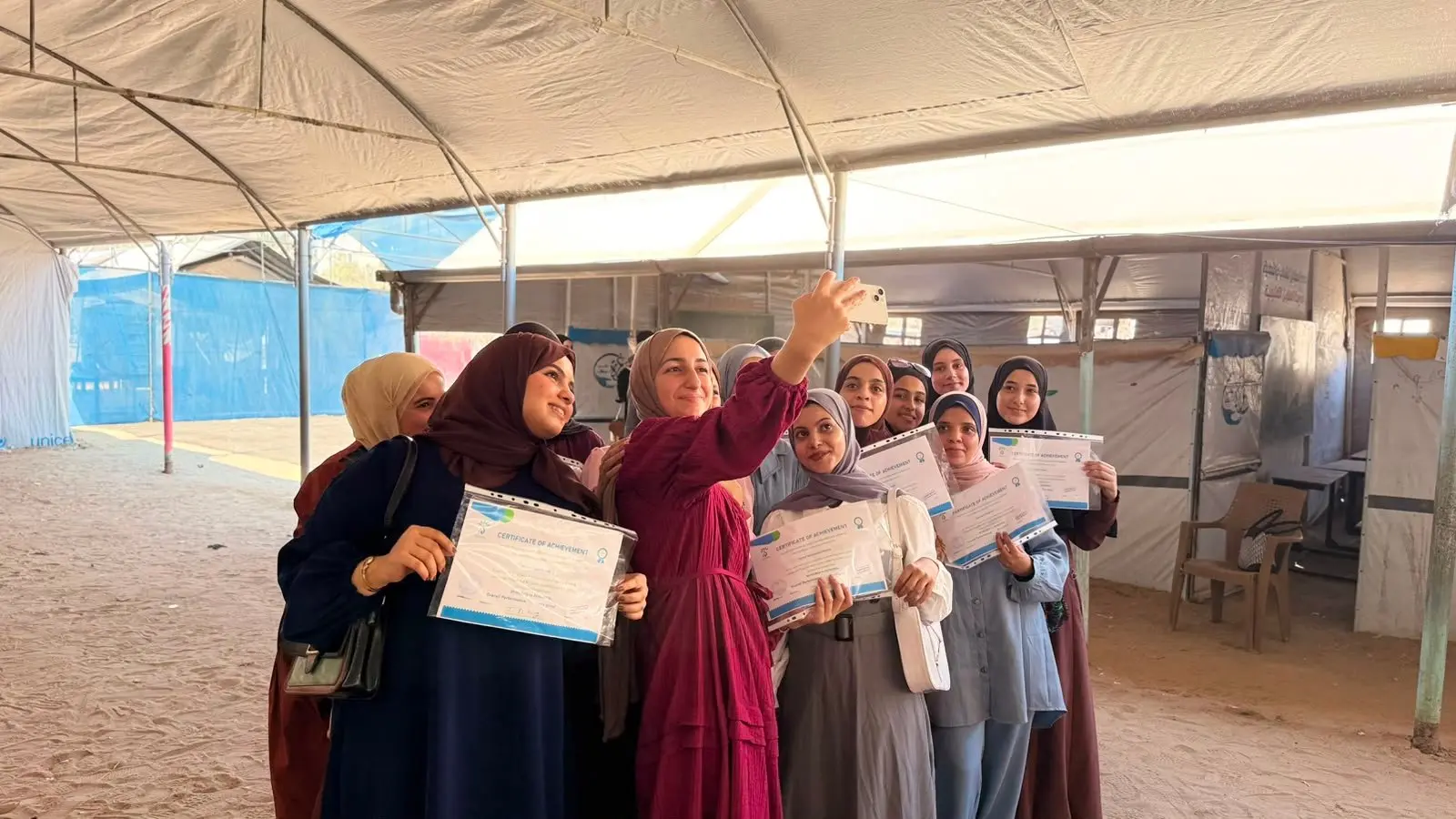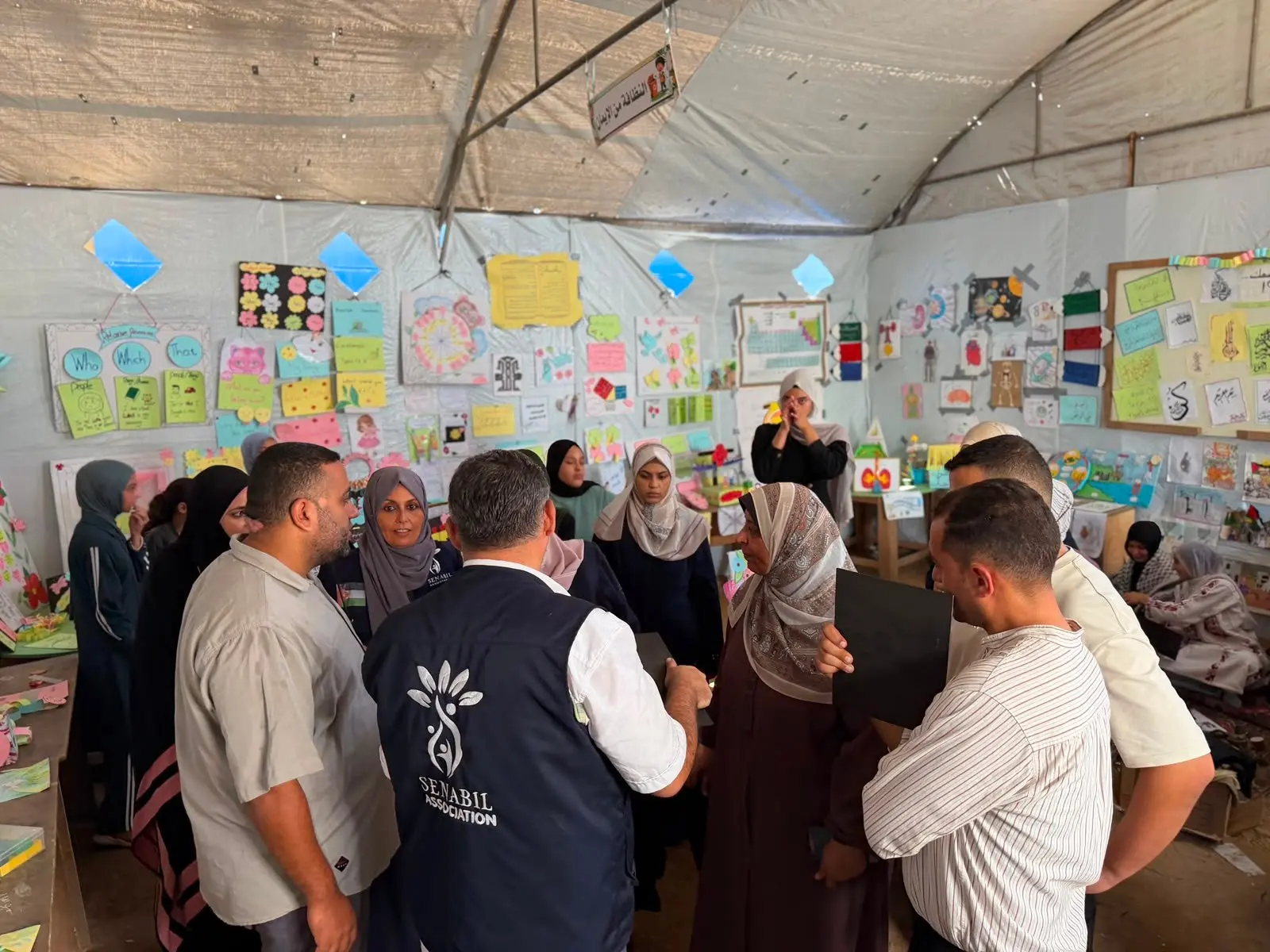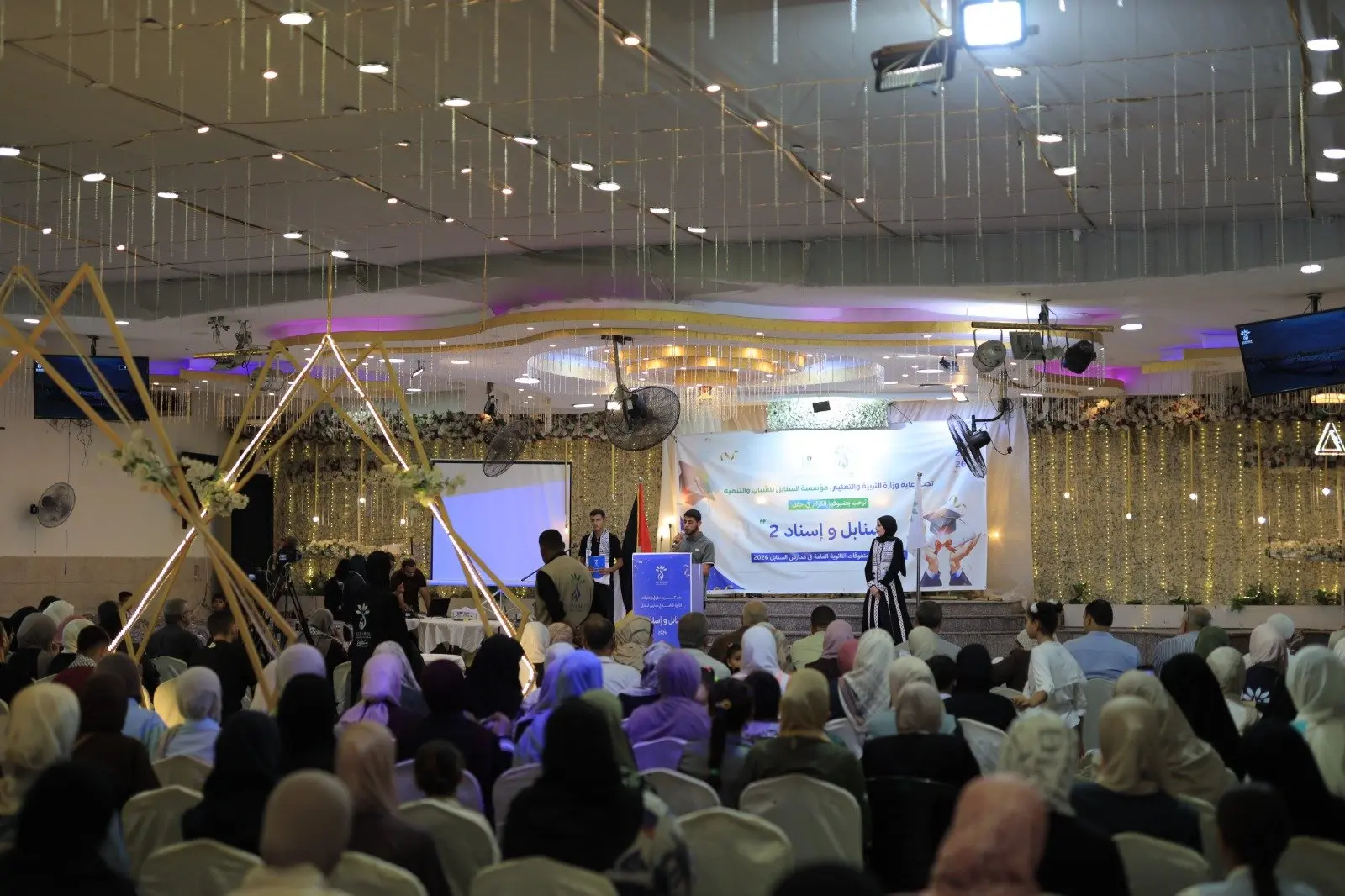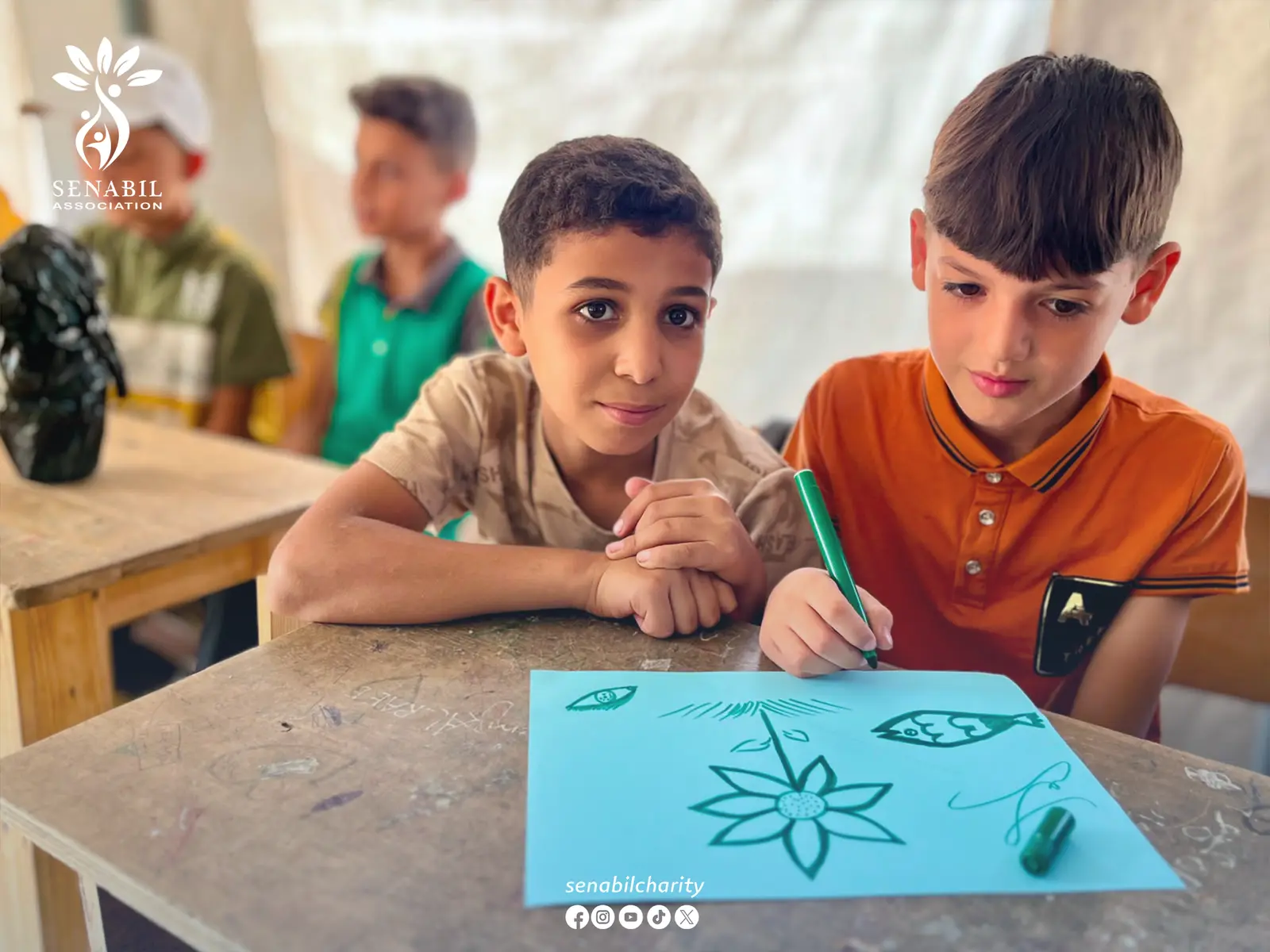
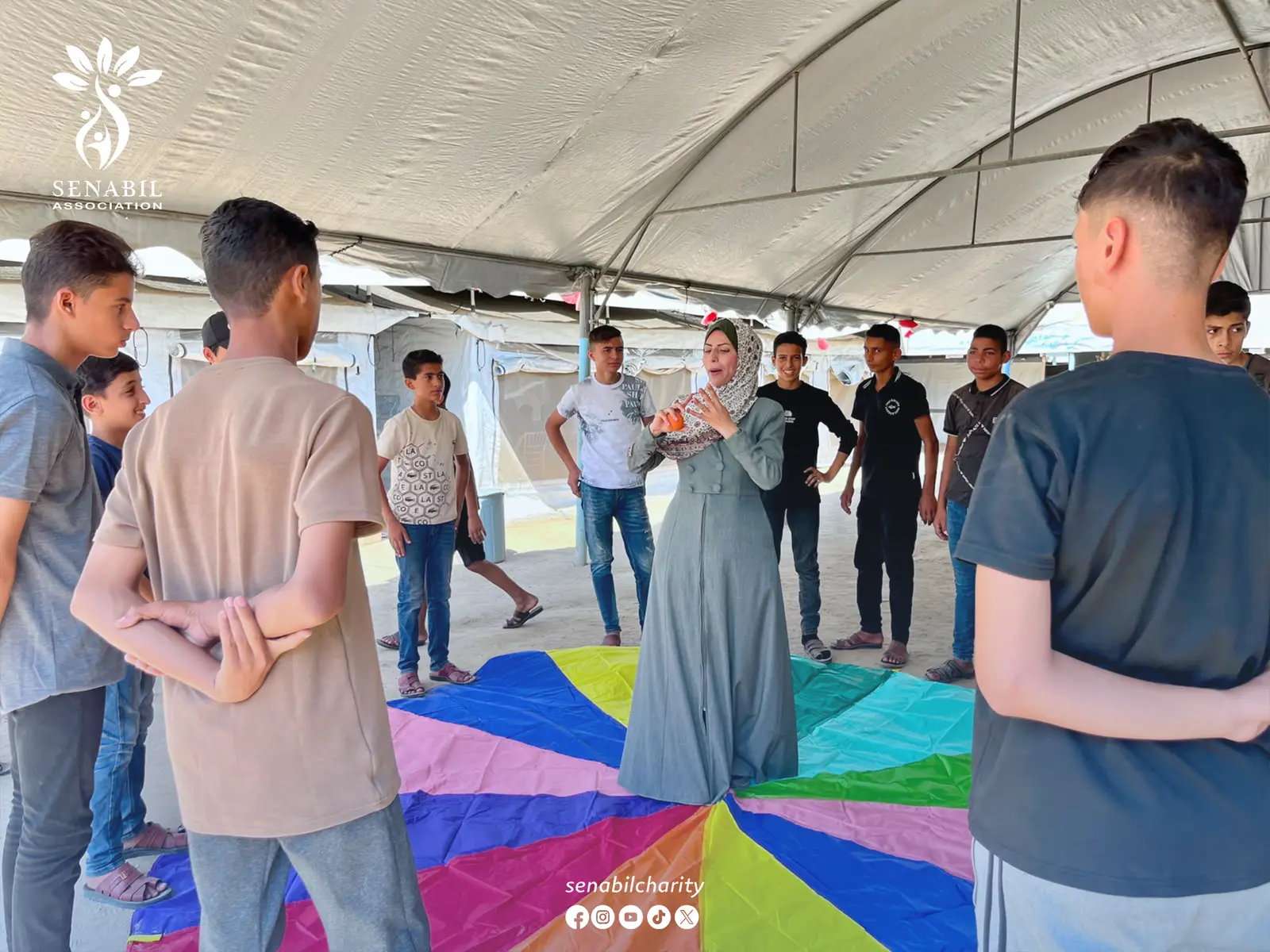
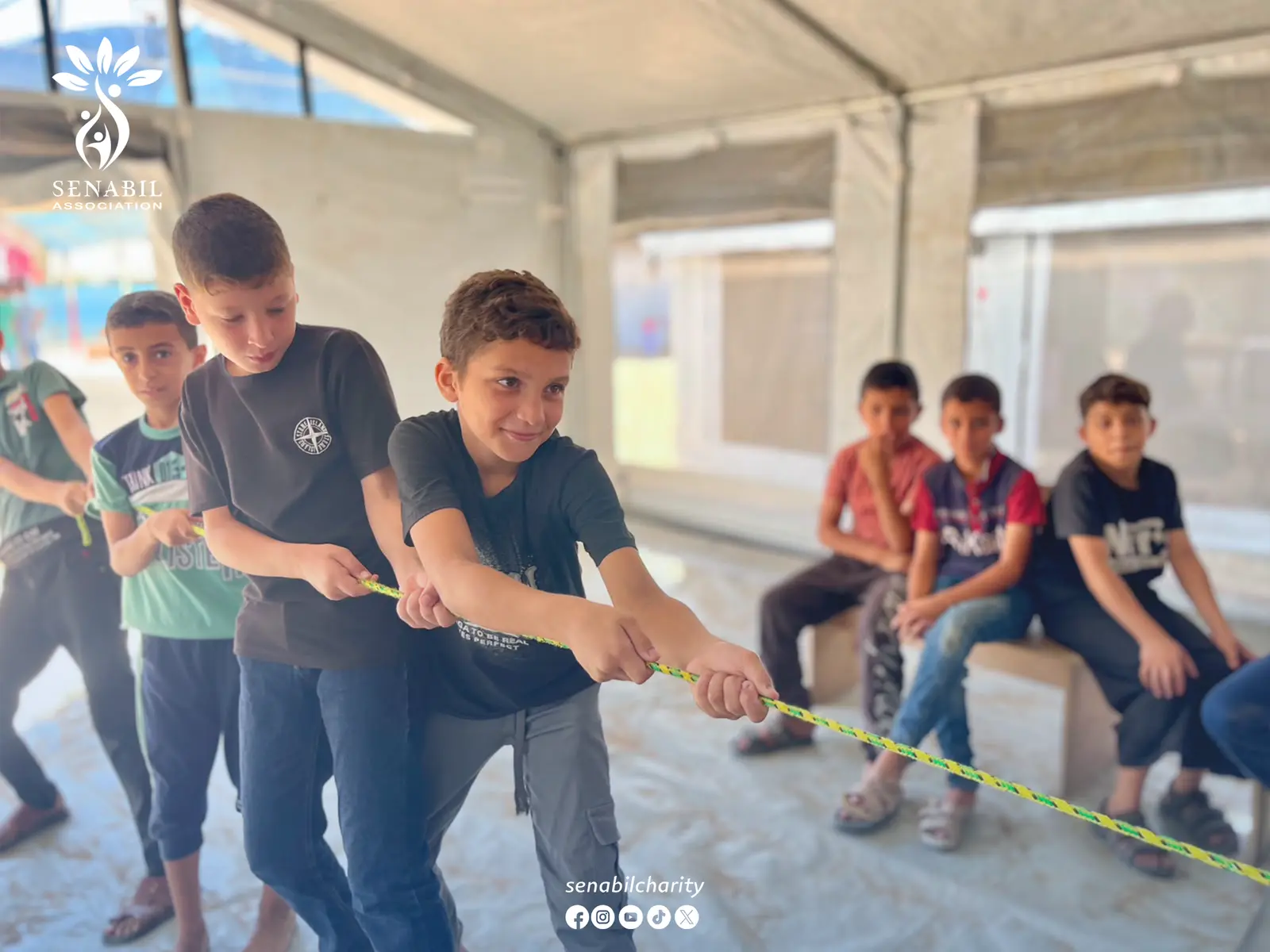
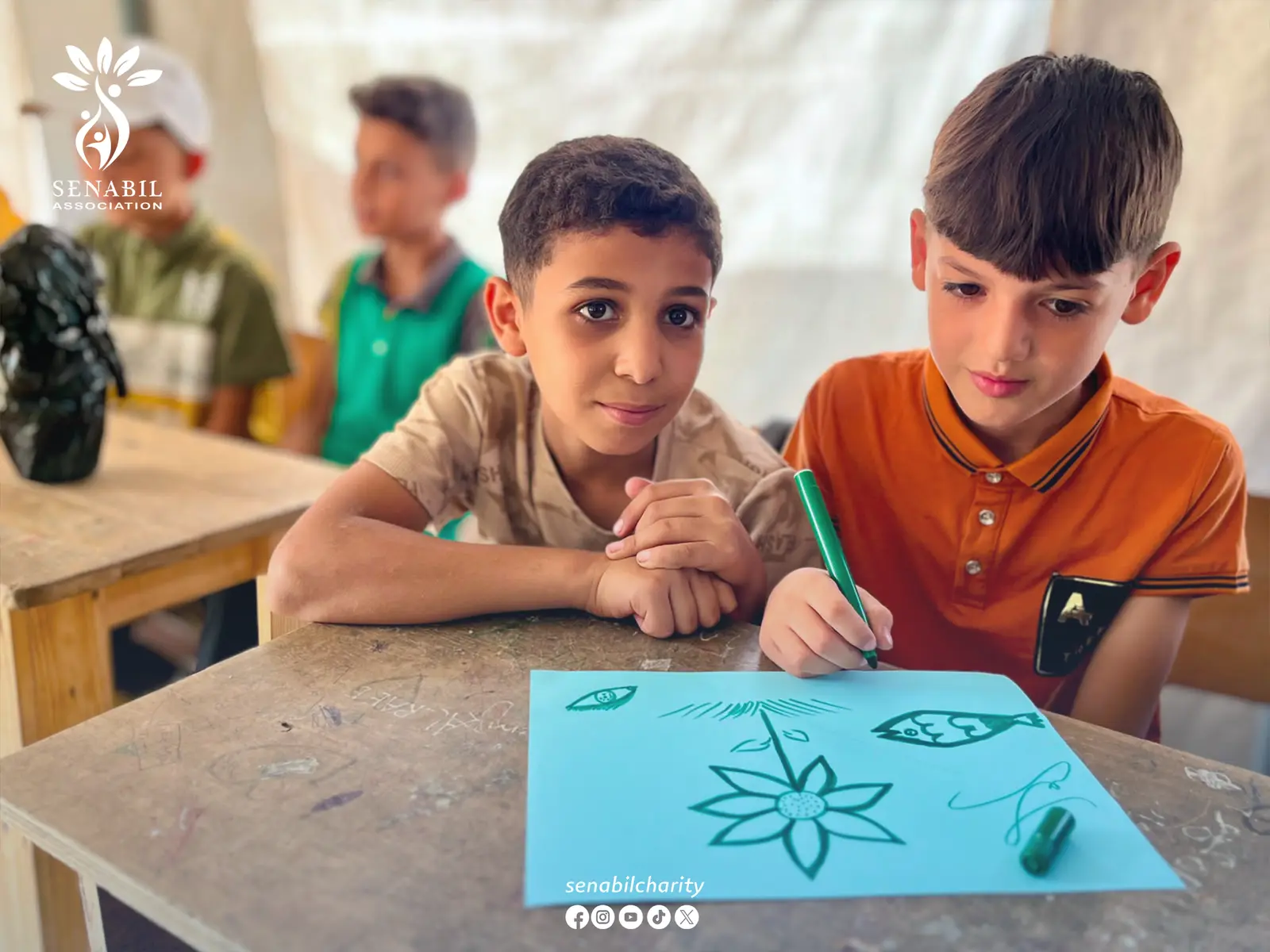
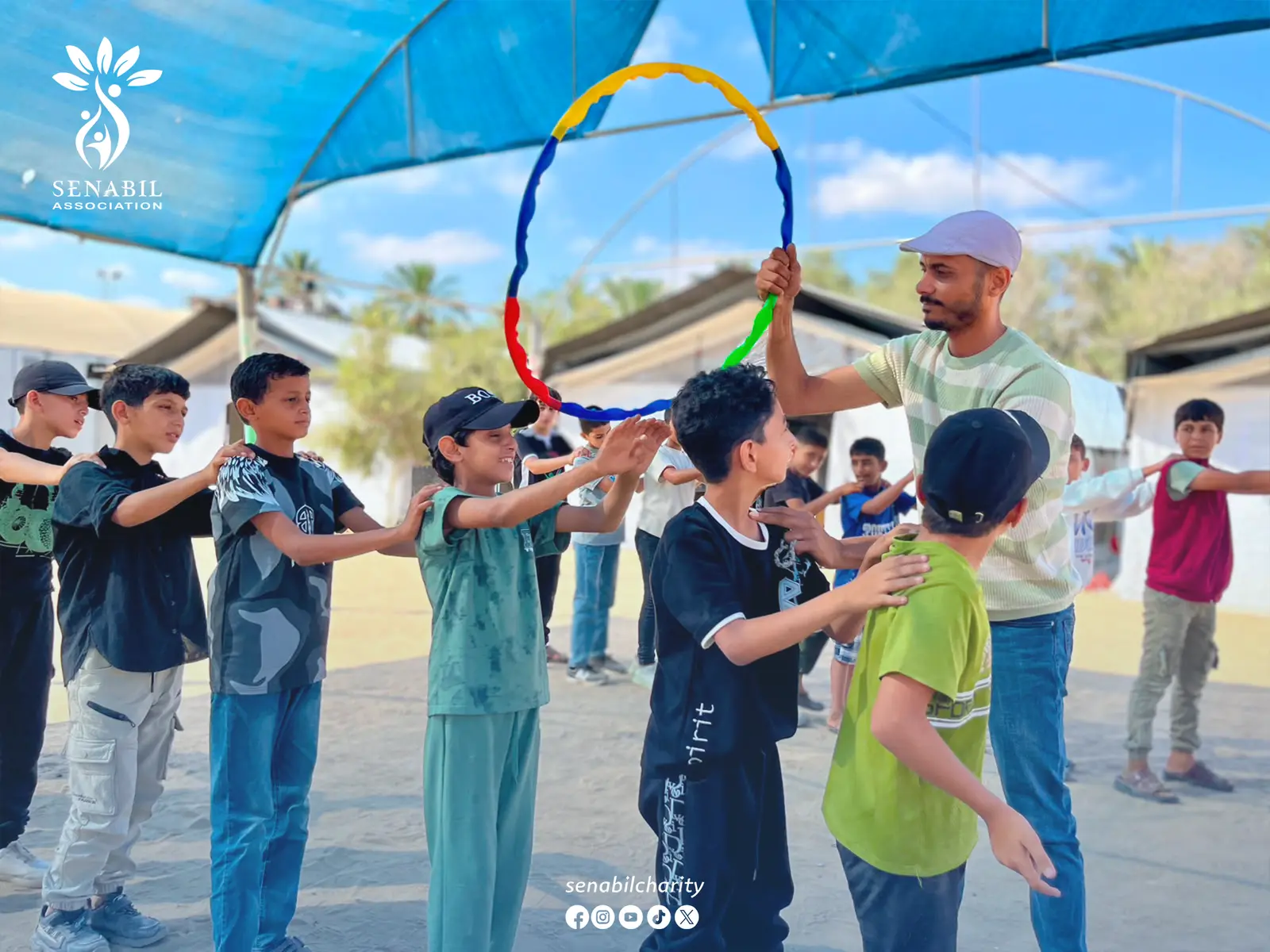
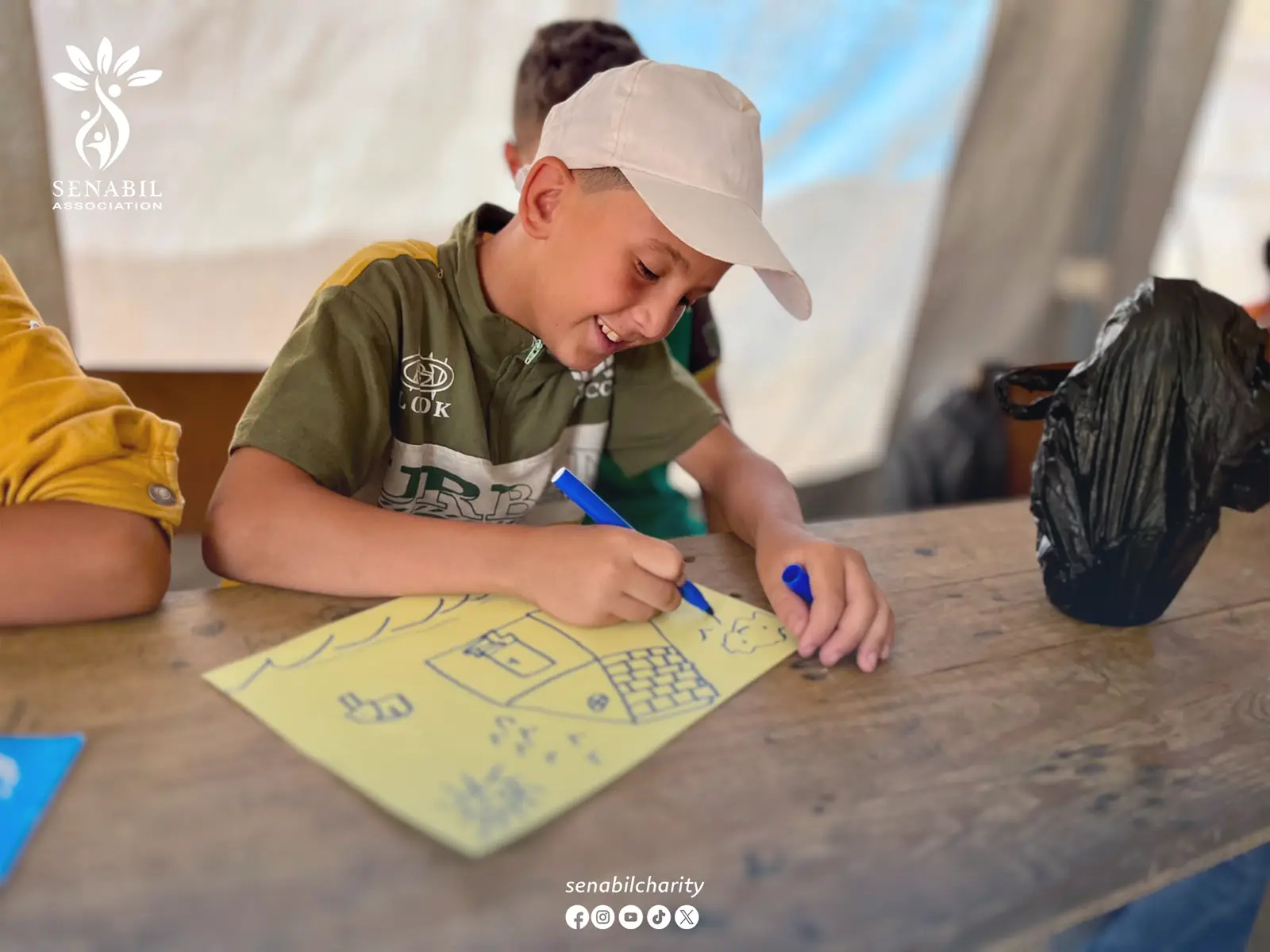
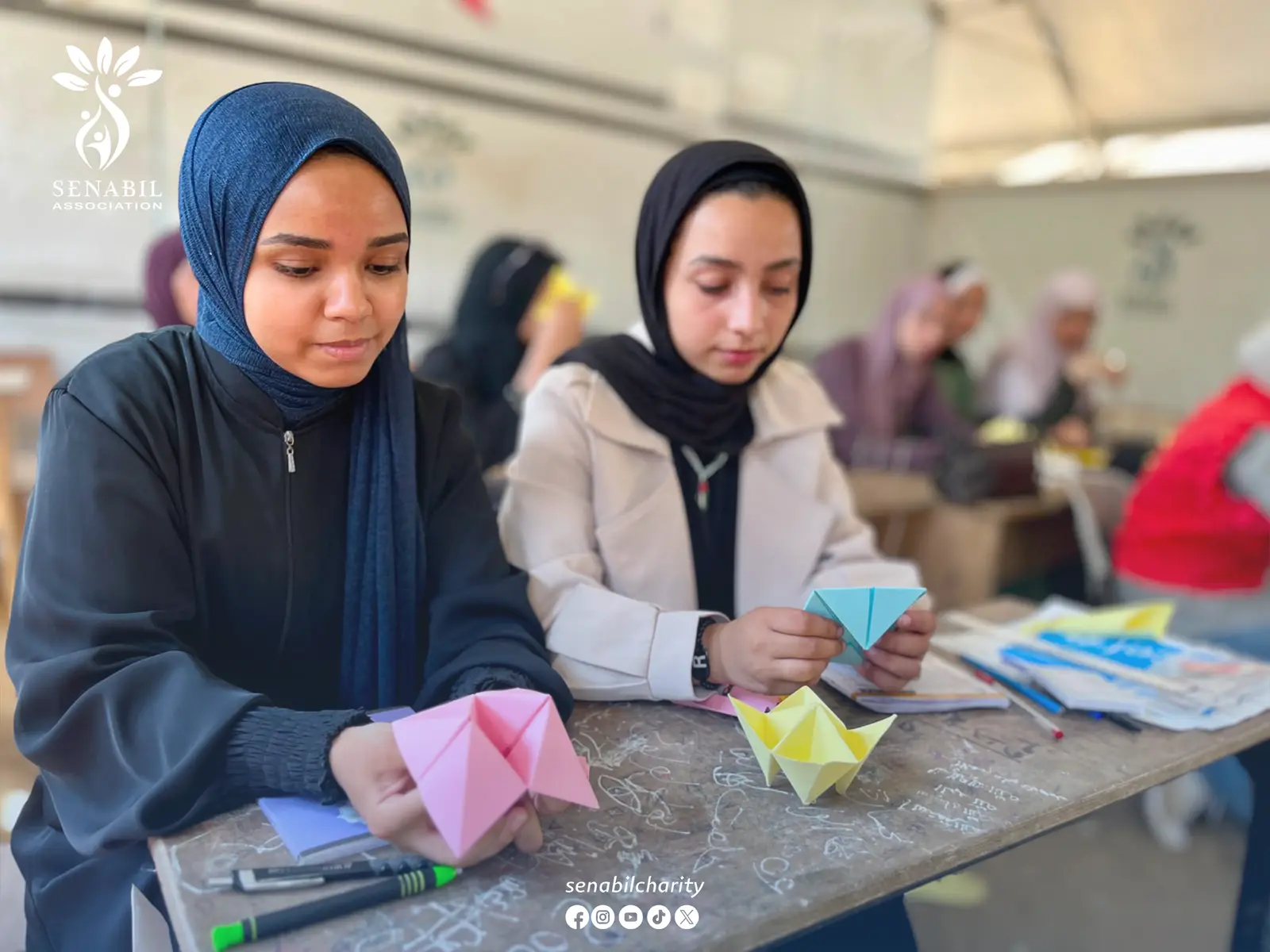
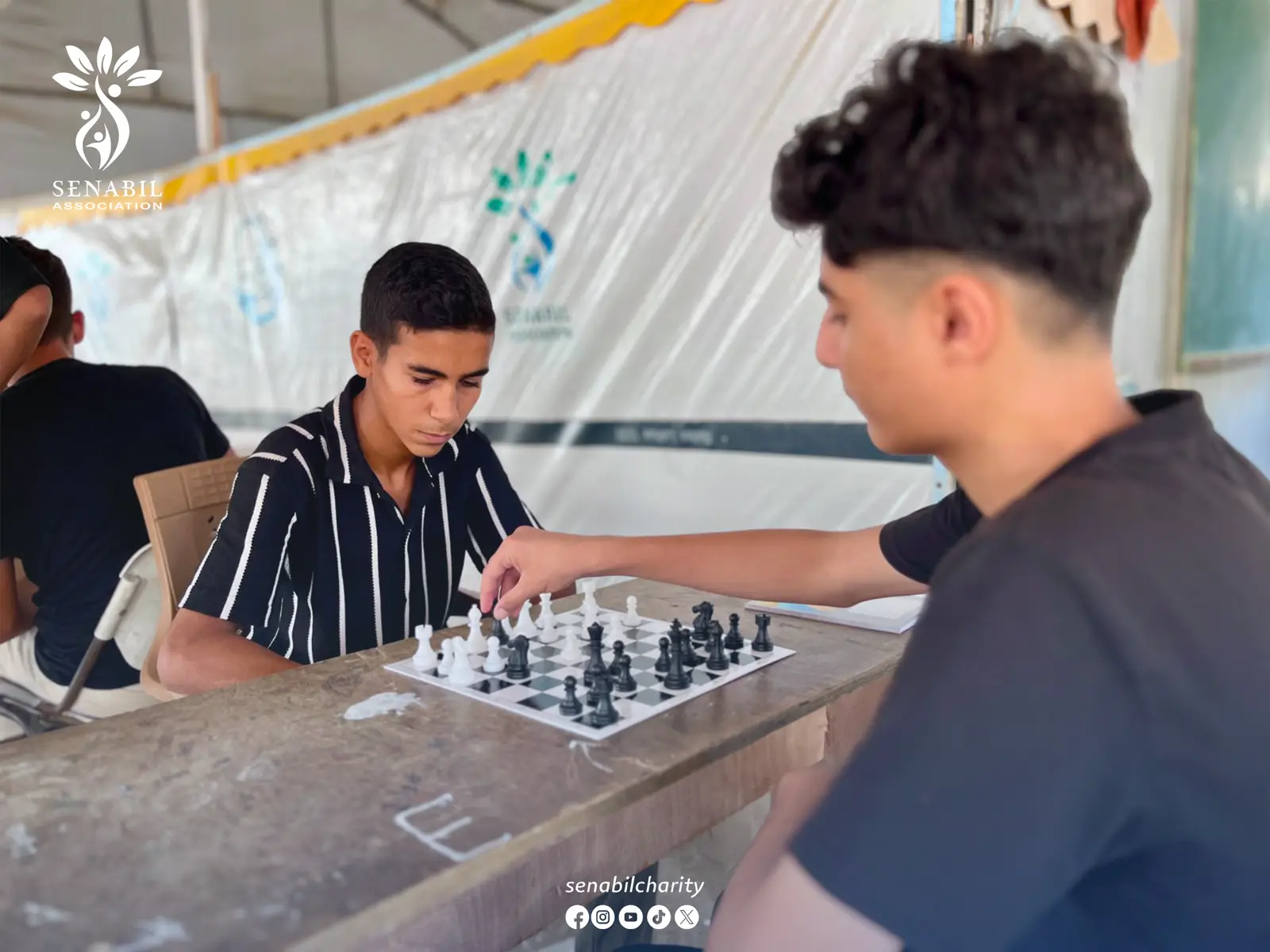
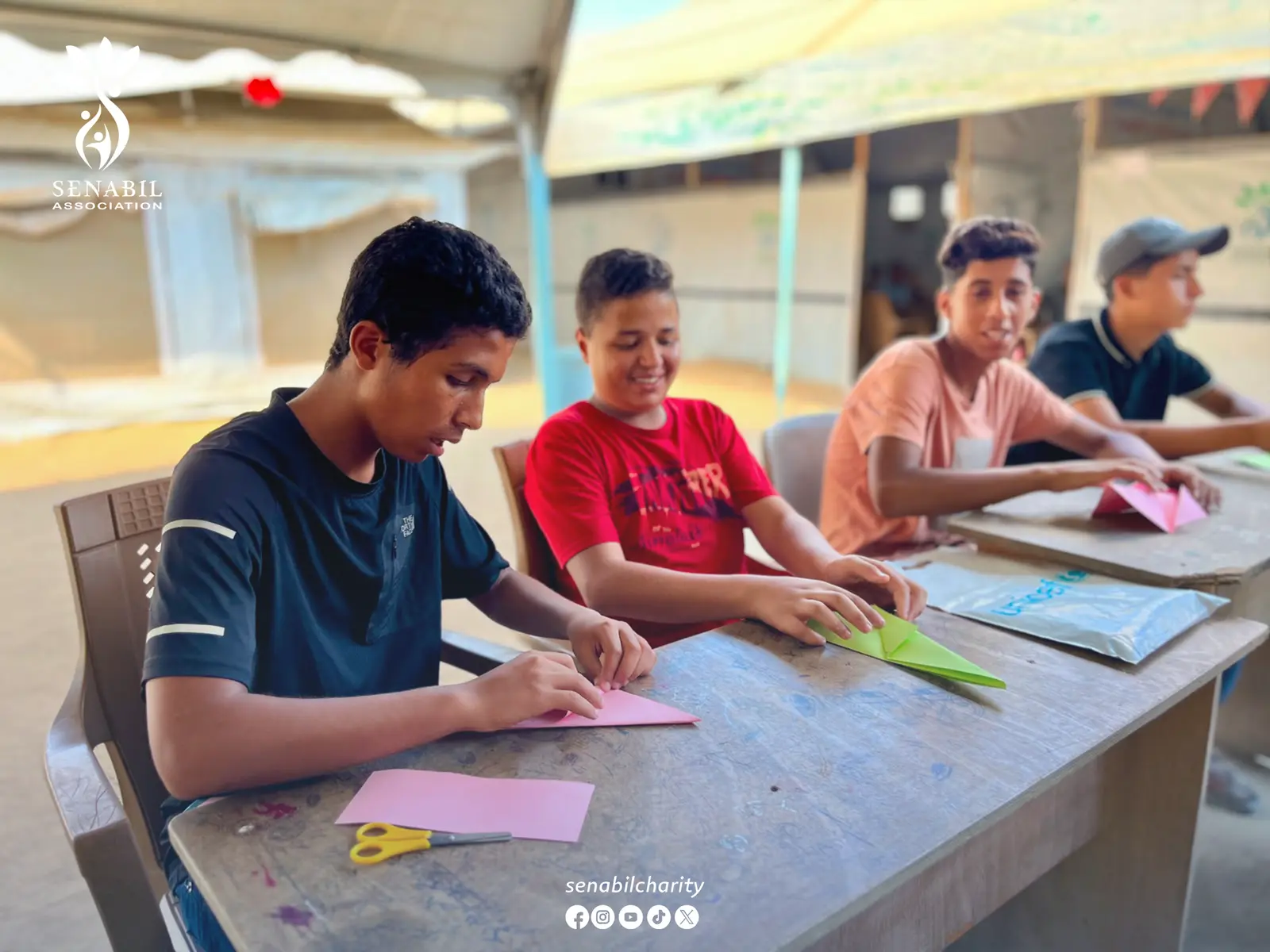
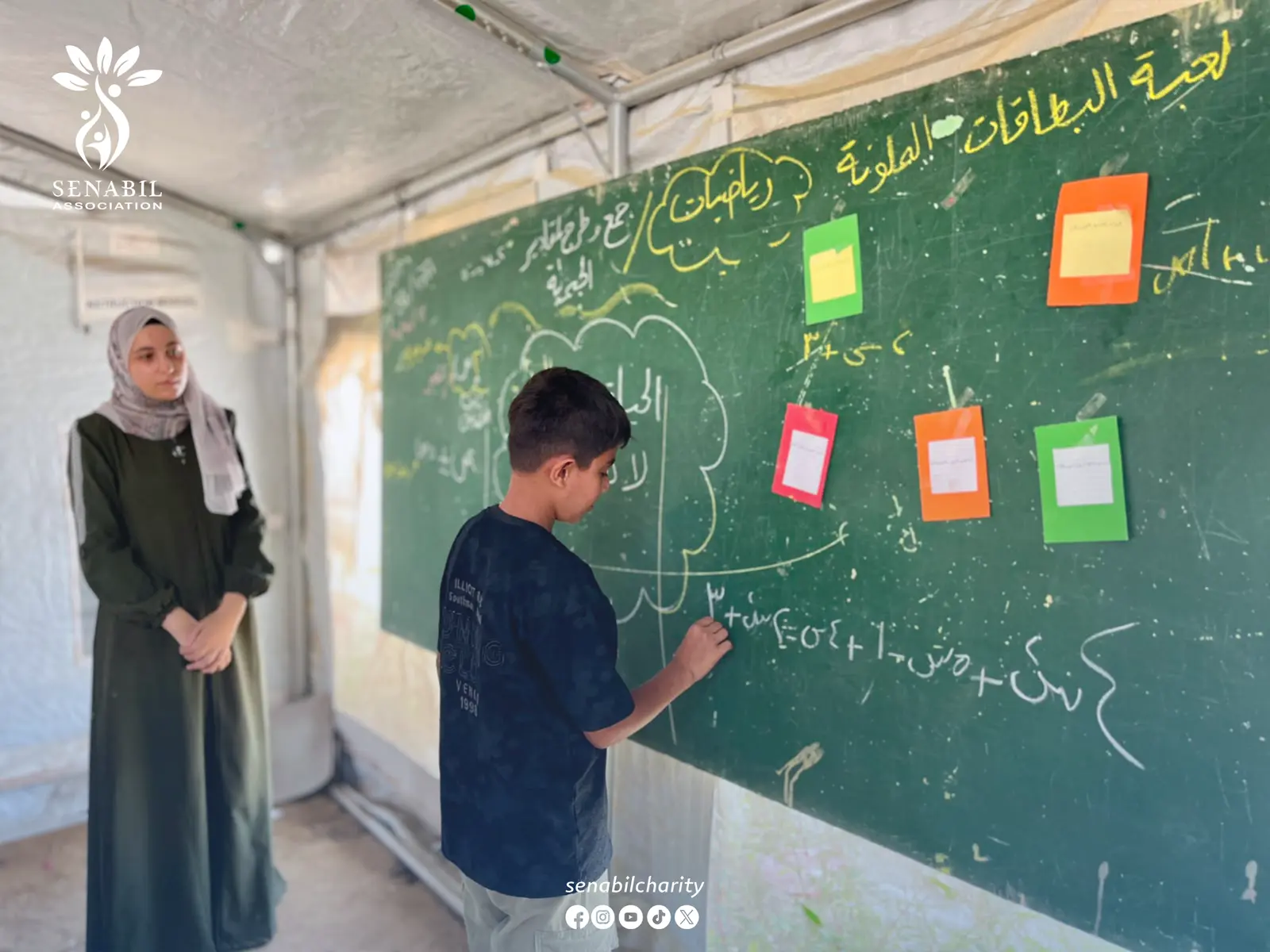


The "School Bells" Summer Camp has officially launched at Sanabel Schools under the patronage of the Ministry of Education and in partnership with UNICEF.
The camp offers students a variety of educational, recreational, and developmental activities designed to enhance their skills, support learning, and provide a safe and engaging environment throughout the summer break.

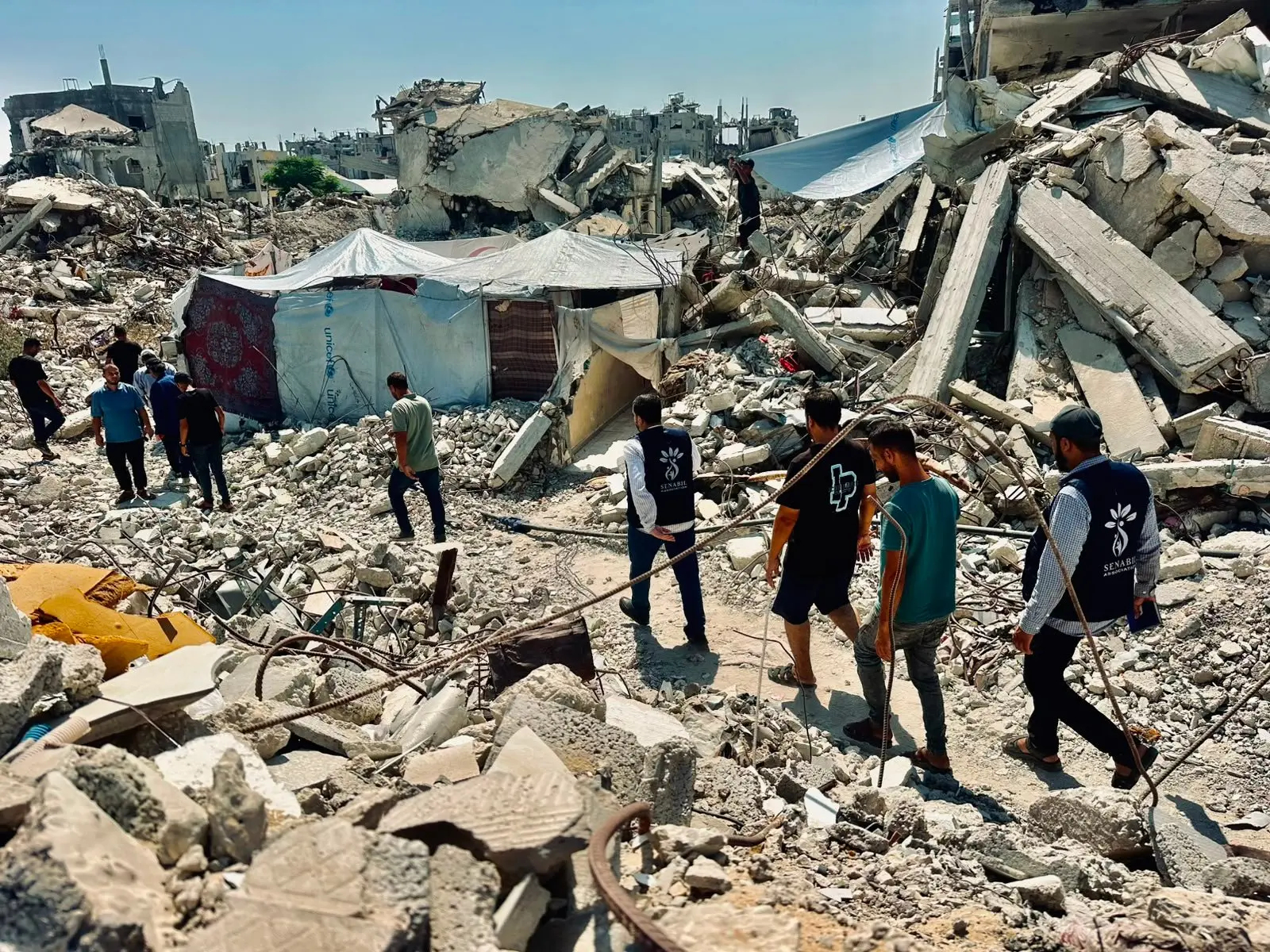
Funded by UNICEF, Senabil Association continues implementing a relief distribution campaign for families living in marginalized areas across the Central Area. The distribution began on 13 July 2026 and will continue through Thursday, aiming to meet the essential humanitarian needs of the most vulnerable families. The current phase targets Al-Bureij and Deir al-Balah, with distributed items including blankets, tarpaulins, water jerry cans, laundry detergent, and fortified infant cereal, helping to ease living hardships and improve conditions for beneficiary families. This intervention is part of ongoing humanitarian efforts to reach the most vulnerable families and support them in meeting their essential needs amid the current humanitarian situation.

The Web Development course for youth officially launched today as part of the Remote Training and Employment Program, aiming to develop participants' web development skills, strengthen their technical capabilities, and prepare them for the evolving digital job market through practical, hands-on training.

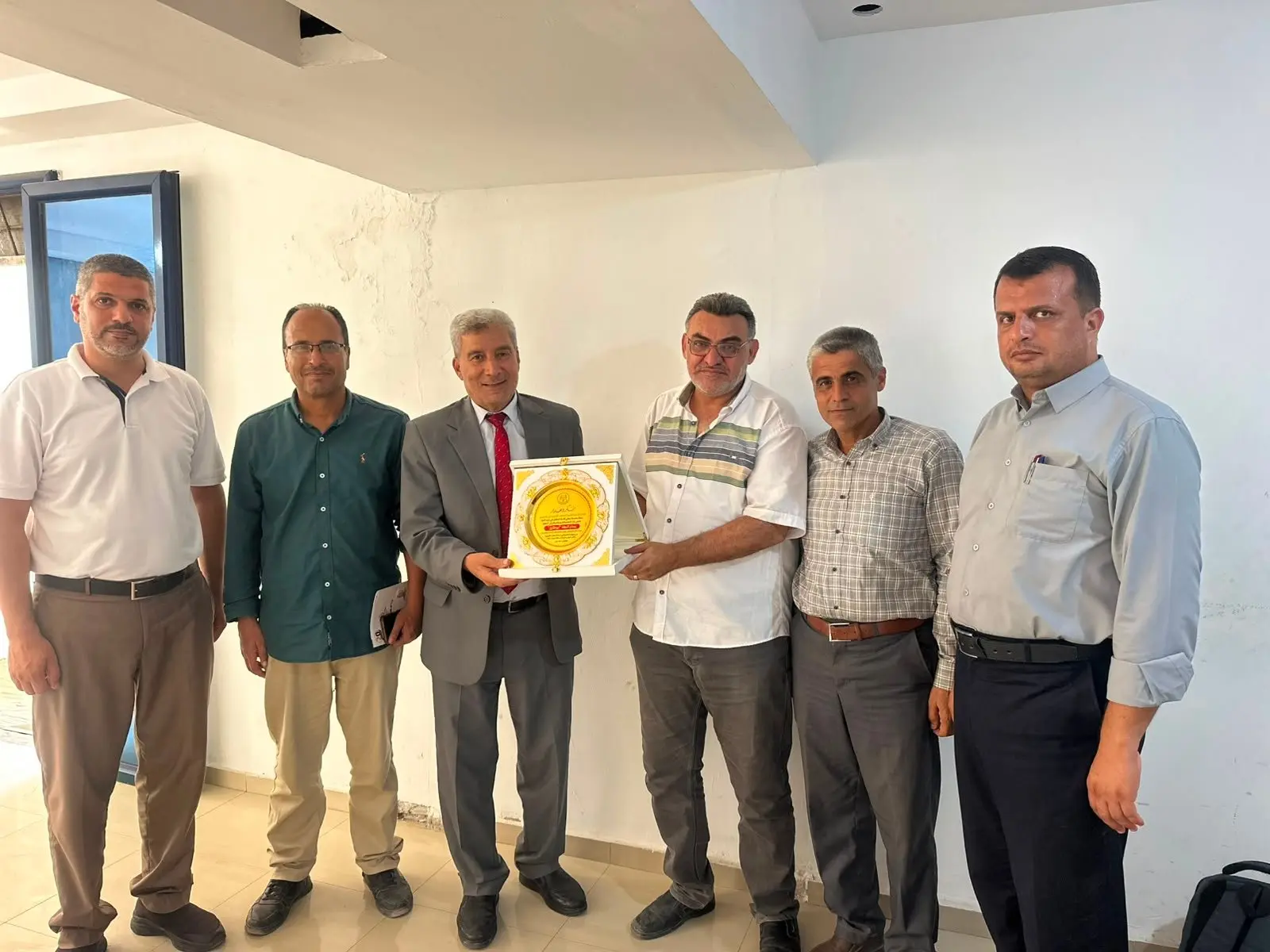
Senabil Association for Youth and Development received a delegation from the Site Management Cluster in a visit aimed at strengthening relationships and partnerships, as well as enhancing coordination and unifying efforts and interventions to better respond to humanitarian needs and serve the community. The visit included an introduction to the association’s programs and activities, a review of its key projects and areas of work, in addition to discussions on future cooperation opportunities and coordination mechanisms, contributing to stronger collaboration among stakeholders and achieving sustainable humanitarian and development impact.

Senabil Association for Youth and Development welcomed a representative of the Health Cluster on a visit aimed at strengthening communication and cooperation, learning more about the association’s activities and programs, and exploring potential opportunities for support and partnership that contribute to serving the community and enhancing health and humanitarian efforts.

Senabil Association for Youth and Development concluded a one-month training course in Artificial Intelligence for school students, with the participation of 28 students. During the course, participants learned about AI concepts and practical applications, enhancing their digital and creative skills and helping them keep pace with technological developments.

Senabil Association held a comprehensive meeting bringing together directors of departments, divisions, and various programs within the organization, joined by the Palestine Office Director and the Association's Director in Türkiye. The meeting aimed to review institutional performance during the first half of 2026 and discuss future plans and strategic directions for the months ahead. The meeting began with an opening speech by Mr. Bassam Al-Batta, Director of the Palestine Office, who shared the Association's vision for the second half of the year, its strategic priorities, and the key challenges and opportunities facing the organization as it works to strengthen the impact of its humanitarian and development programs. The meeting also included a review session on program performance during the first half of the year, where program coordinators presented major achievements, completed projects, beneficiary numbers, challenges encountered during implementation, and lessons learned across the sectors of health, education, relief, agriculture, and freelancing programs. Participants then reviewed the Association's financial and institutional status, discussing revenues, expenditures, current commitments, ongoing projects, and funding needs required to support planned activities in the coming period. The meeting also addressed operational plans for the second half of 2026, covering educational, relief, agricultural, and freelancing programs, with a focus on improving service delivery and expanding outreach to target beneficiaries. In addition, participants discussed several internal development matters, including the Association's media and marketing plan, the enhancement of computerized systems, updates to policies and administrative procedures, job descriptions and performance evaluation mechanisms, as well as logistics, warehouses, assets, procurement processes, and the preventive maintenance plan. Attendees also discussed partnerships and fundraising efforts, exploring ways to strengthen relationships with donors and partners in order to expand the scope of projects and ensure their long-term sustainability. The meeting concluded by emphasizing the importance of integration and coordination among all departments and units, as well as the need to unify efforts toward achieving the Association's objectives and maximizing its humanitarian and developmental impact in the coming phase.