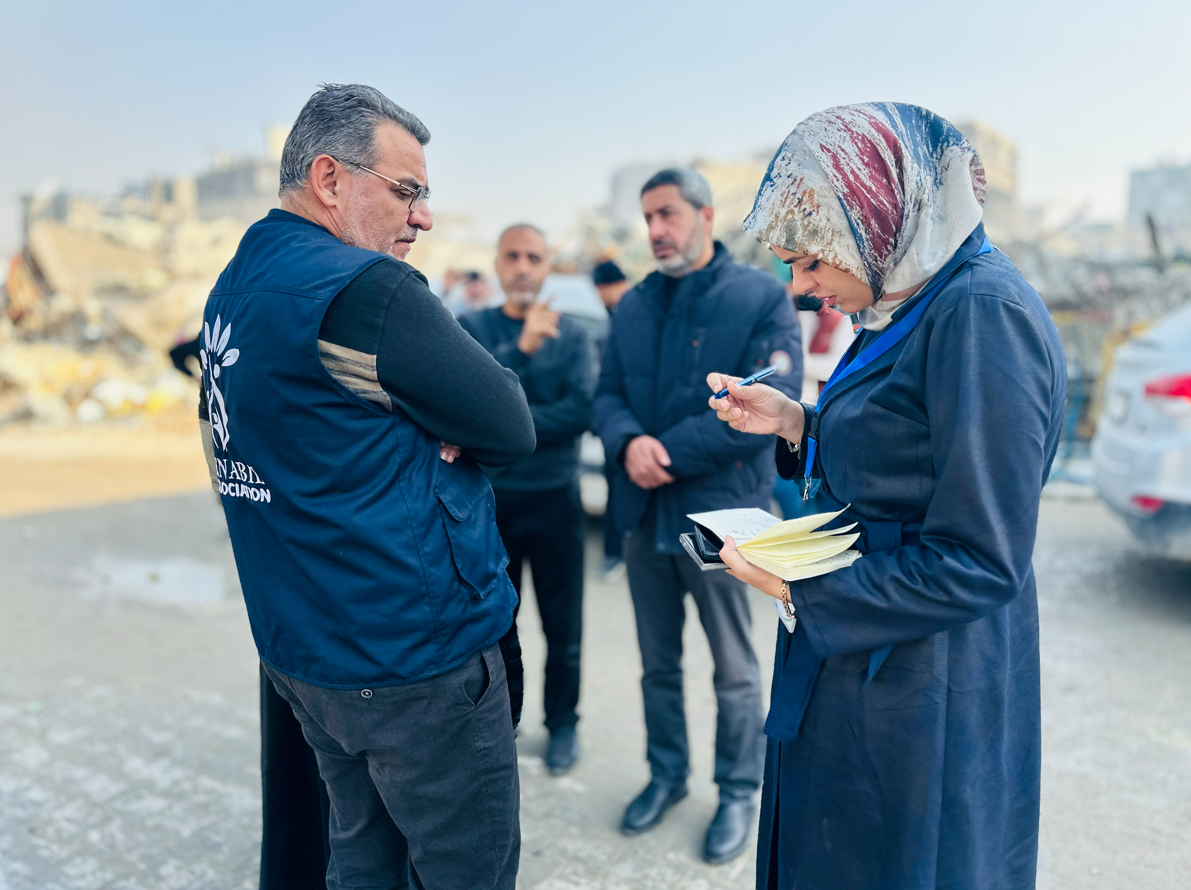
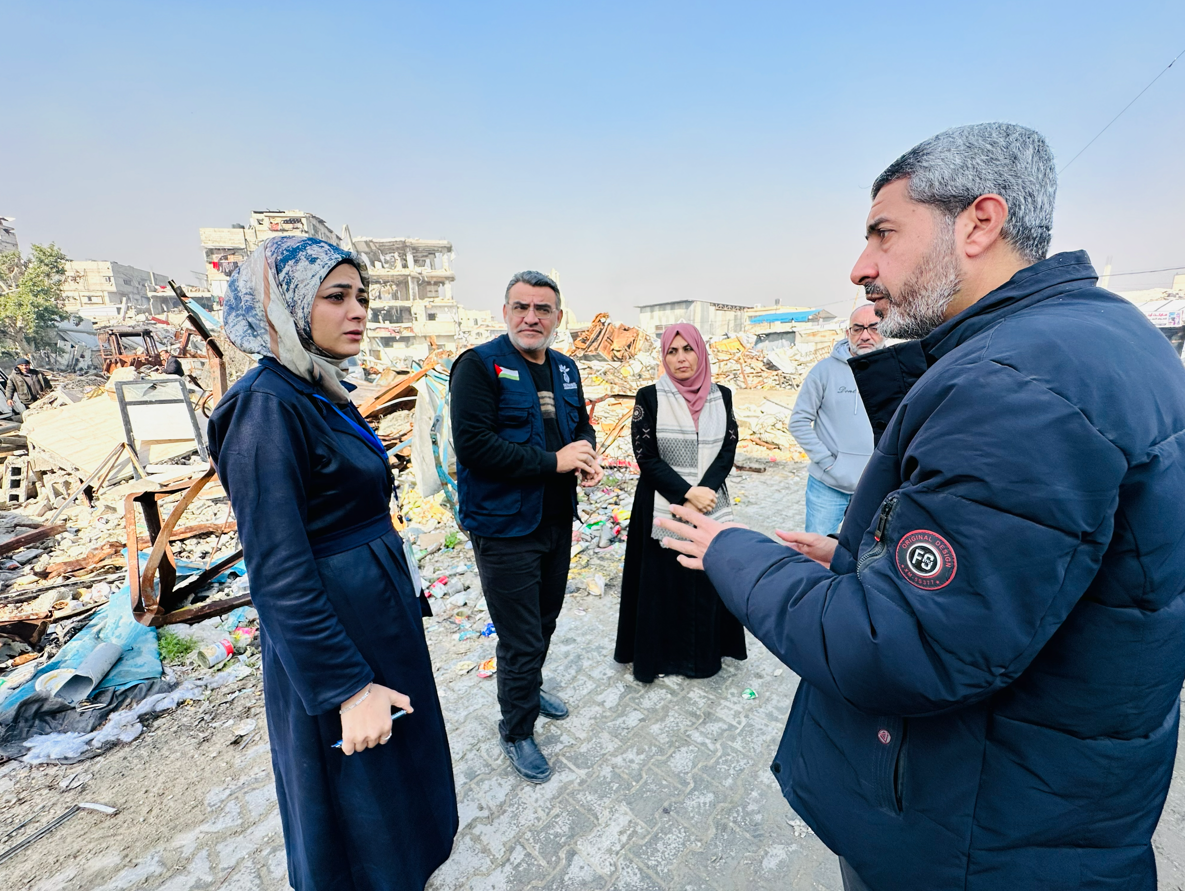
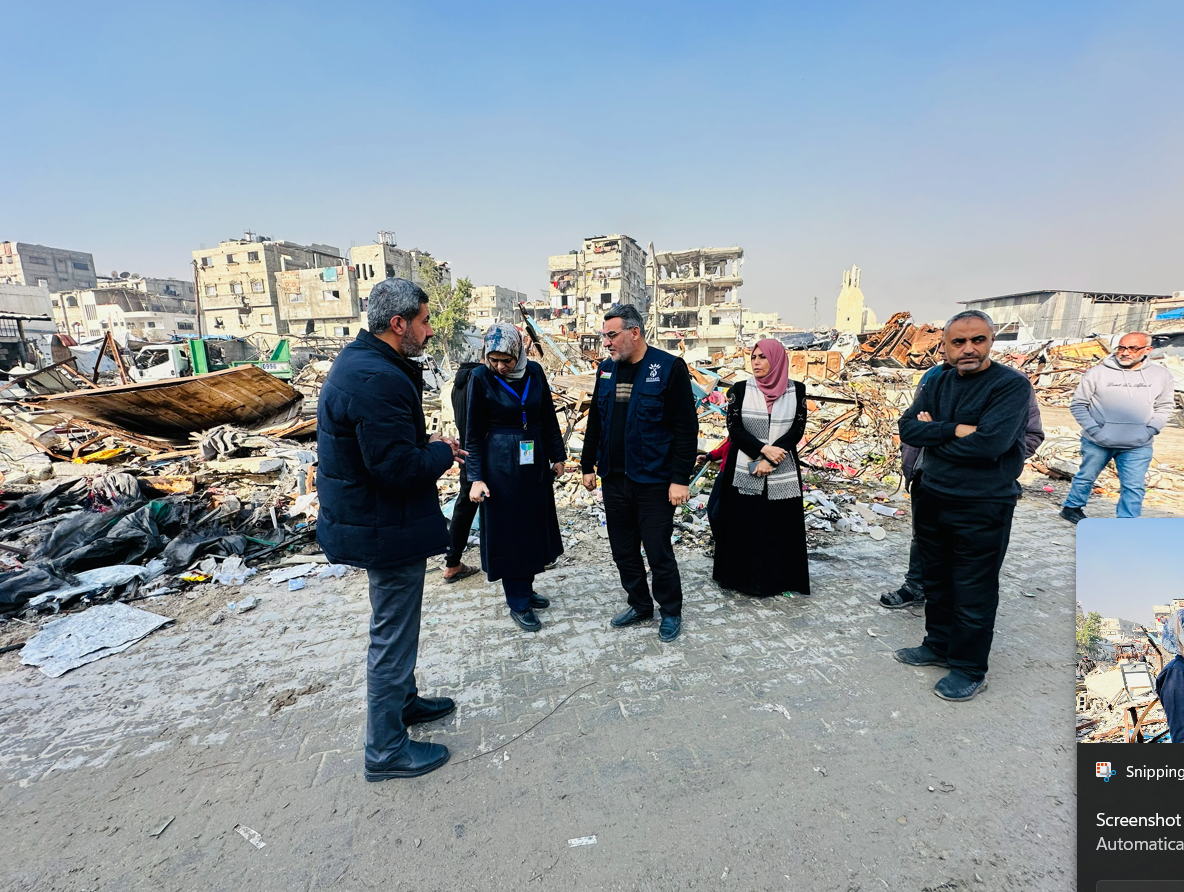
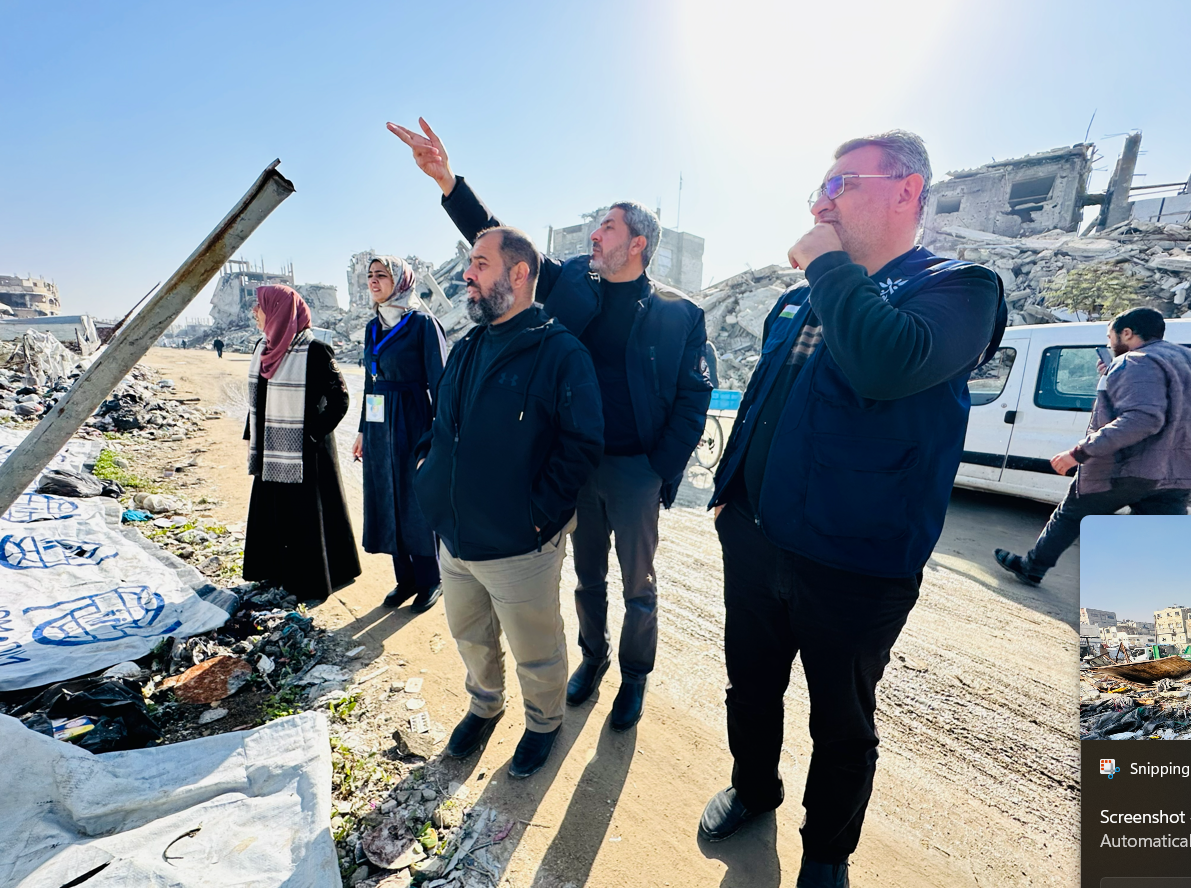
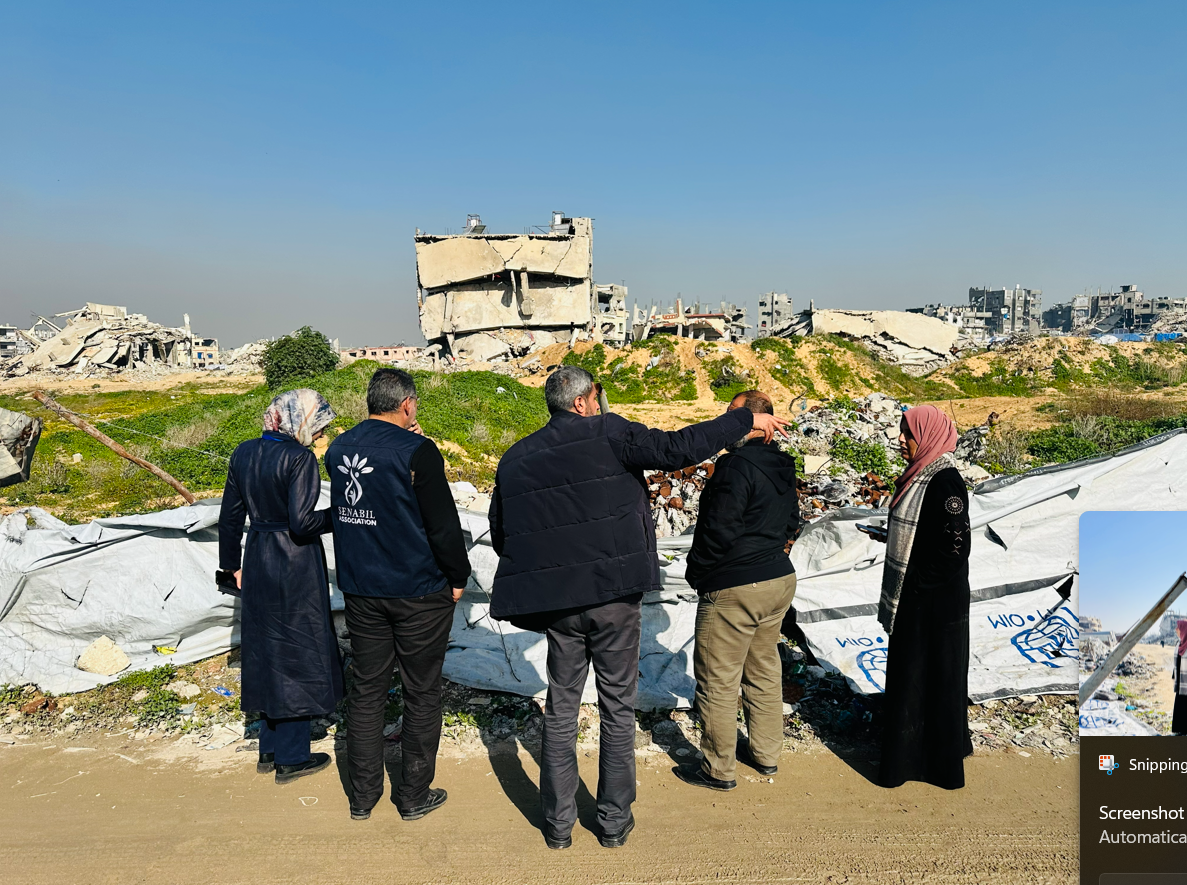
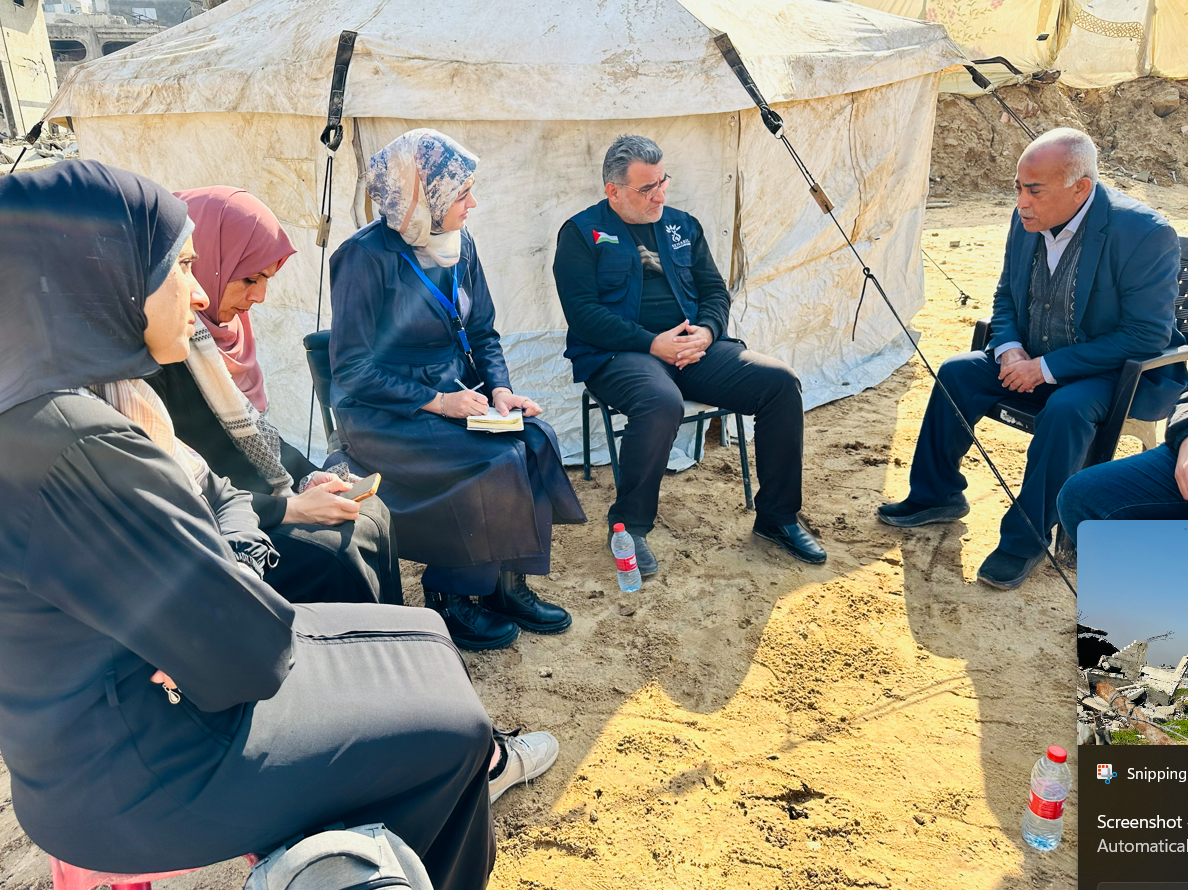
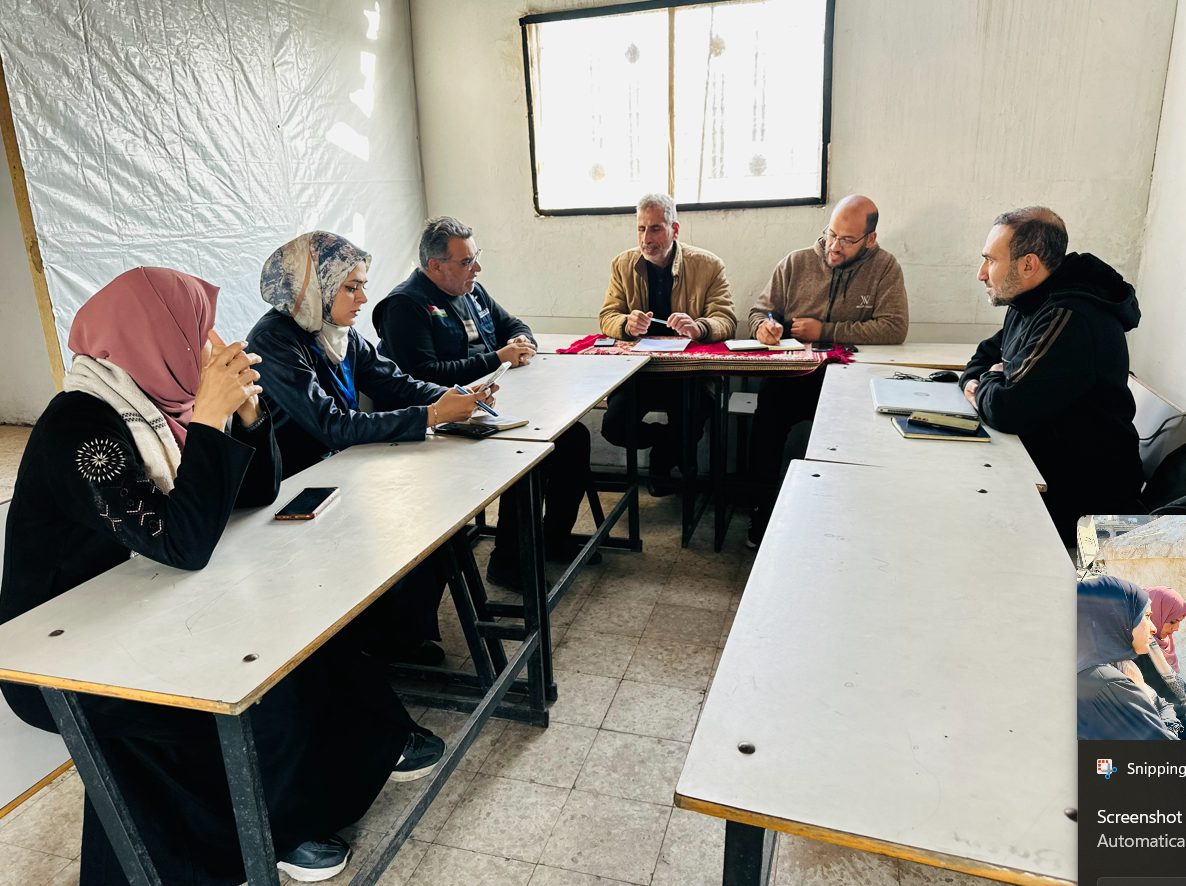
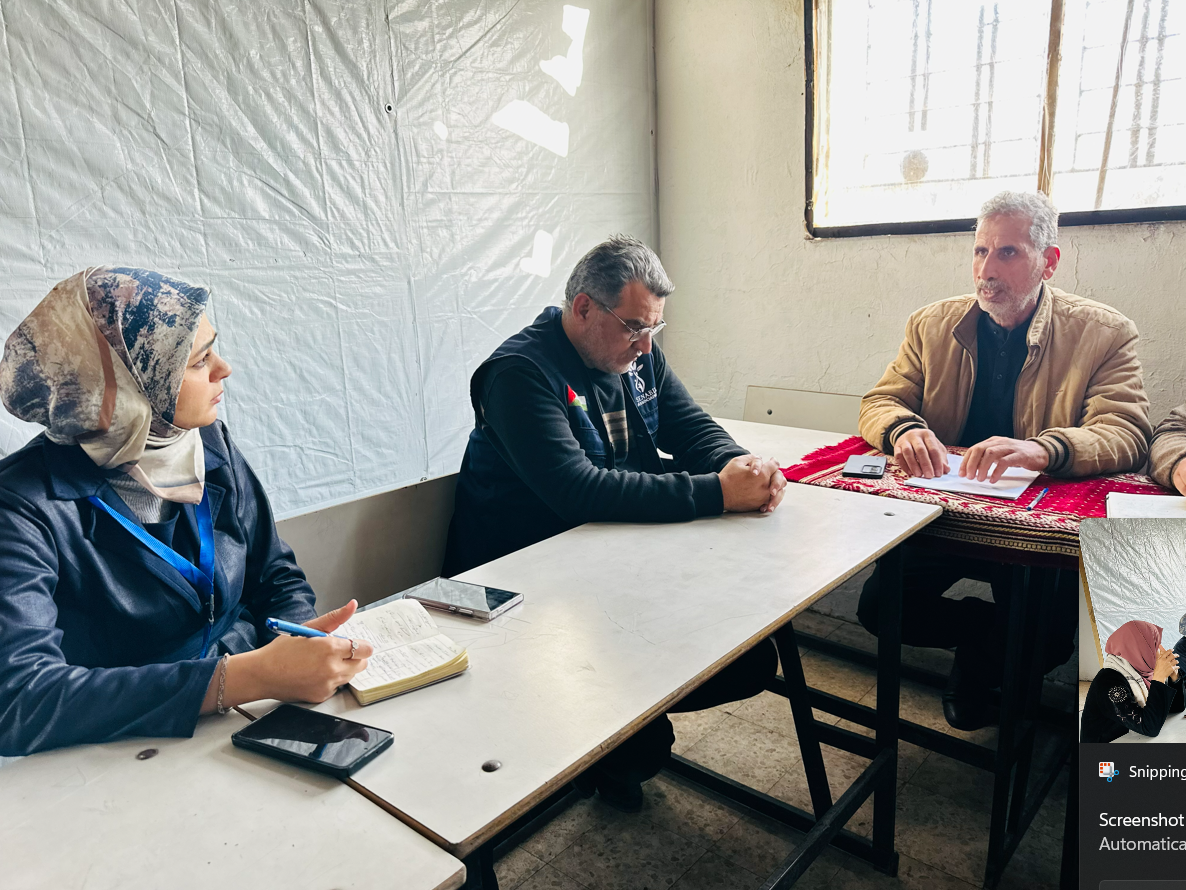
Senabil association conducted a series of field visits to several universities and directorates to explore opportunities for collaboration and strengthen institutional partnerships in the fields of humanitarian and development work.
These visits come as part of the organization’s efforts to expand its network with academic and governmental institutions, aiming to enhance program effectiveness and align educational outcomes with labor market needs, particularly in light of ongoing economic and humanitarian challenges.
The organization emphasized its commitment to building long-term strategic partnerships based on integration and knowledge exchange, contributing to sustainable impact at both individual and community levels.
This step aligns with the organization’s vision of transitioning from emergency response toward sustainable development through collaborative engagement with various sectors.
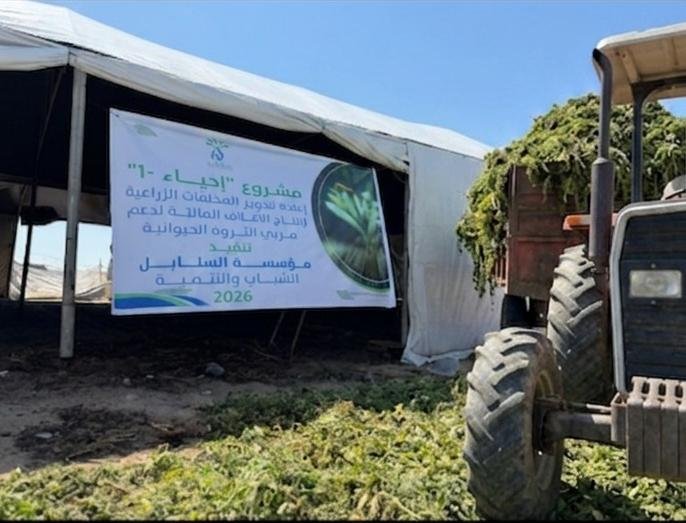
Senabil Association has launched the Integrated Economic and Agricultural Empowerment Program as one of its strategic programs aimed at moving from emergency humanitarian response toward building a sustainable economic system based on production and self-reliance. The program focuses on developing productive value chains, linking training with the labor market, and strengthening integration between agriculture, processing, and digital work. It also promotes the principles of circular economy and resource recycling. The program includes key components such as agricultural and livestock production, agricultural processing, training and capacity building, remote work, and integrated productive models. These components contribute to creating sustainable job opportunities, improving food security, and reducing dependence on aid. “Ihya’a 1”, a project for producing filler feed from agricultural waste, comes as one of the first projects under this program. It is based on converting agricultural waste into low-cost feed, contributing to supporting livestock breeders, reducing environmental waste, creating job opportunities, and strengthening food security within the local community. Through this program, Senabil Association seeks to build a resilient, scalable, and replicable economic model that strengthens the resilience of vulnerable communities and opens real opportunities for production and development.
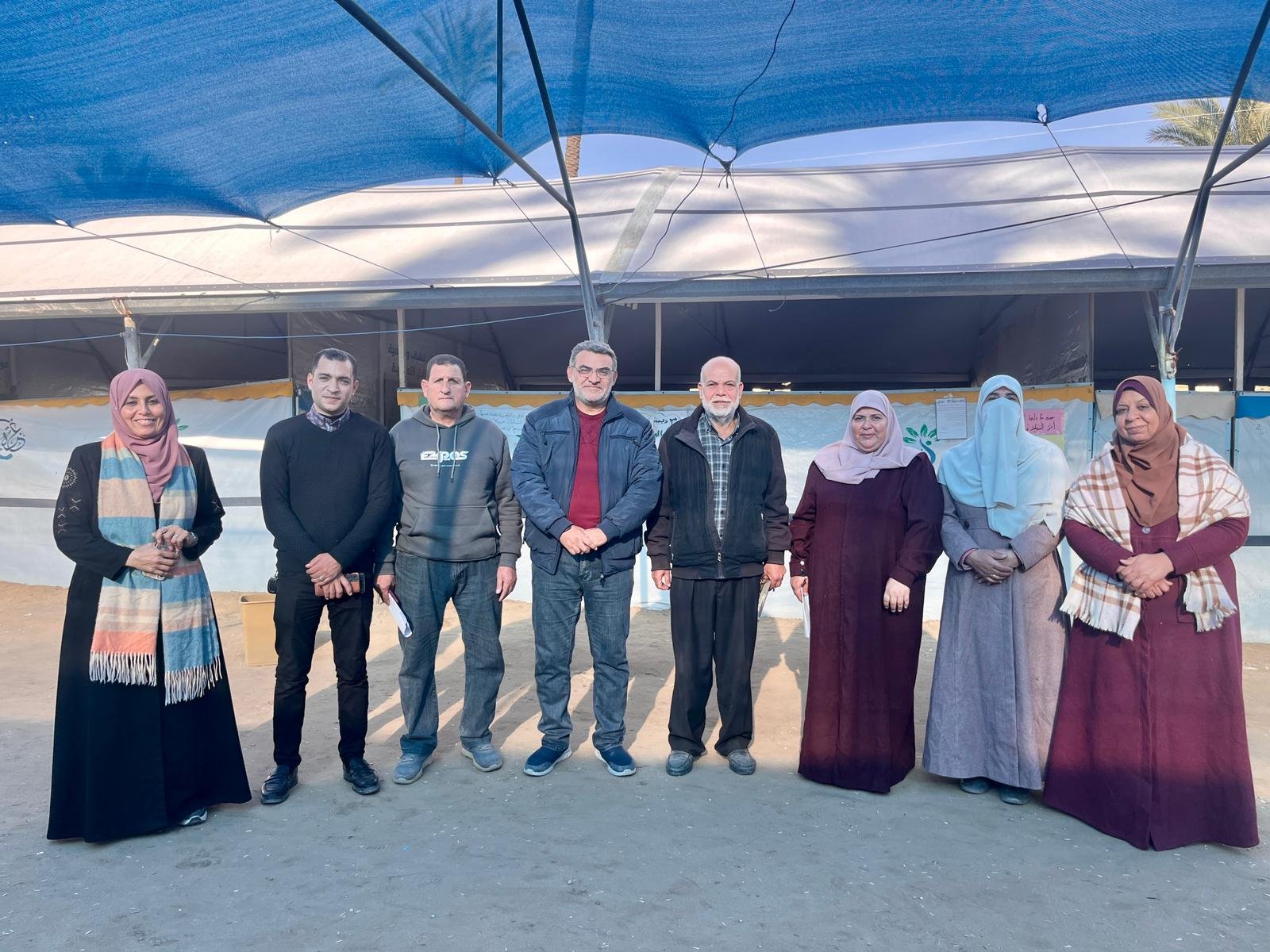
Senabil association held a meeting with the administrations of Sanabil Schools as part of its ongoing efforts to evaluate the quality of the educational process and ensure the effectiveness of its academic programs. The meeting focused on reviewing current educational practices, identifying strengths and challenges, and assessing overall performance to maintain high standards of learning. Discussions also emphasized the importance of continuous improvement to better serve students and enhance their academic experience. The organization reaffirmed its commitment to advancing education quality through structured evaluation and collaboration with school administrations, aiming to build a more effective and responsive learning environment. This initiative comes within the broader vision of strengthening educational outcomes and investing in the future of students through sustainable and impactful educational development.
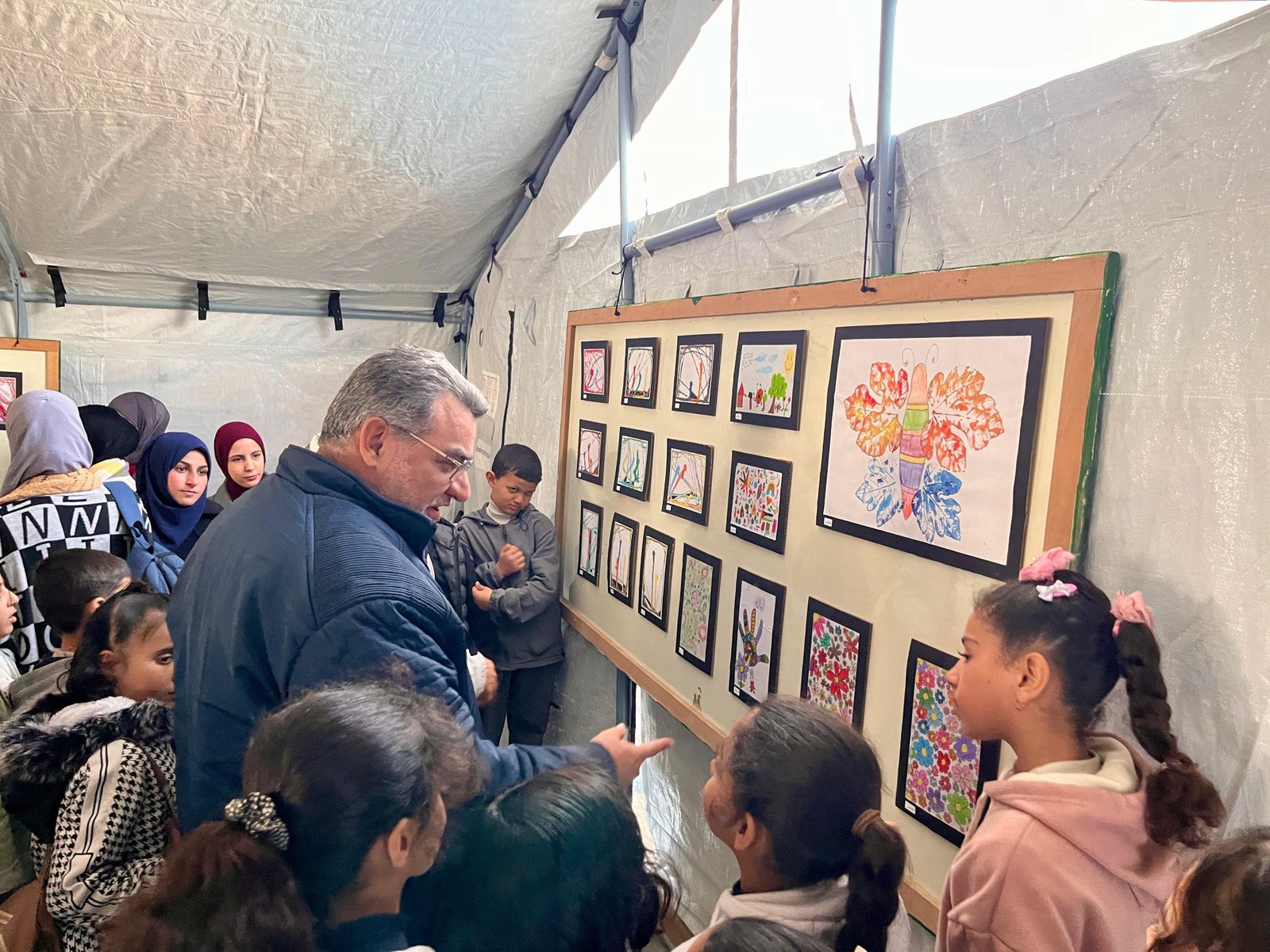
Senabil association organized a children's art exhibition as part of its psychosocial support activities for children affected by crises and conflicts, which continued for three consecutive days. The exhibition aimed to provide a safe and creative space for children to express their emotions and experiences through art, contributing to their psychological well-being and recovery. The event was supervised by art teacher Mr. Mohammad Khattab, featuring a collection of artworks that reflected the children’s perspectives, feelings, and aspirations in a supportive and encouraging environment. The exhibition was held at Sanabil School in Deir Al-Balah, as part of the organization’s ongoing efforts to strengthen psychosocial support programs and create a positive environment that helps children cope with the impact of crises. Supervised by Art Teacher: Mr. Mohamed Khattab
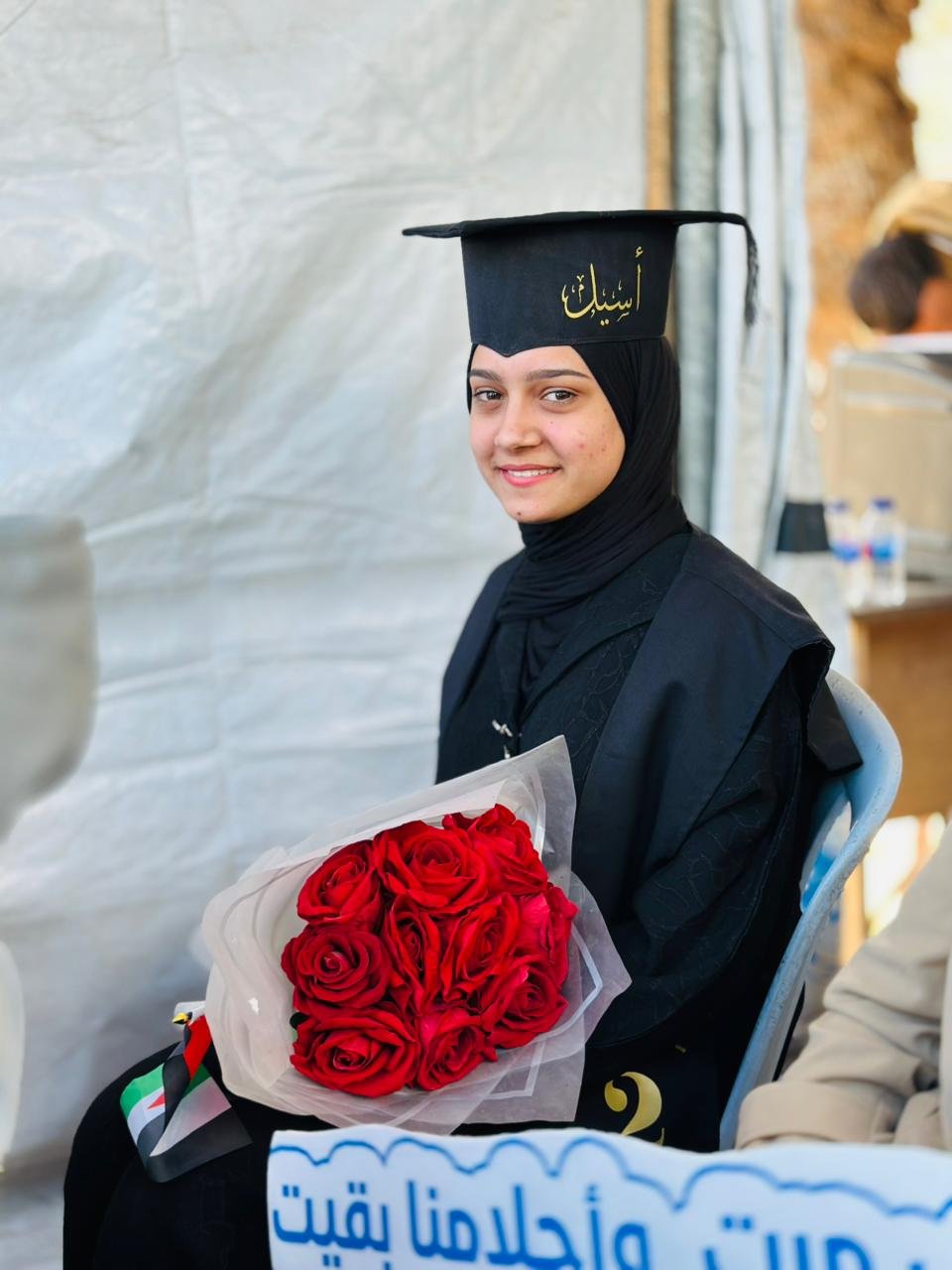
Senabil Foundation for Youth and Development honored outstanding Tawjihi (General Secondary Certificate) students at Senabil School in Khan Younis from the 2006/2007 cohort, in recognition of their academic excellence and remarkable achievement despite the difficult conditions facing the Gaza Strip. This recognition reflects the Foundation’s strong belief in students’ ability to succeed and excel despite crises, and its commitment to supporting the educational journey and motivating students to continue striving toward their academic goals. Senabil Foundation reaffirmed its ongoing support for high-achieving students by fostering a supportive learning environment that helps build hope and shape a better future for coming generations.
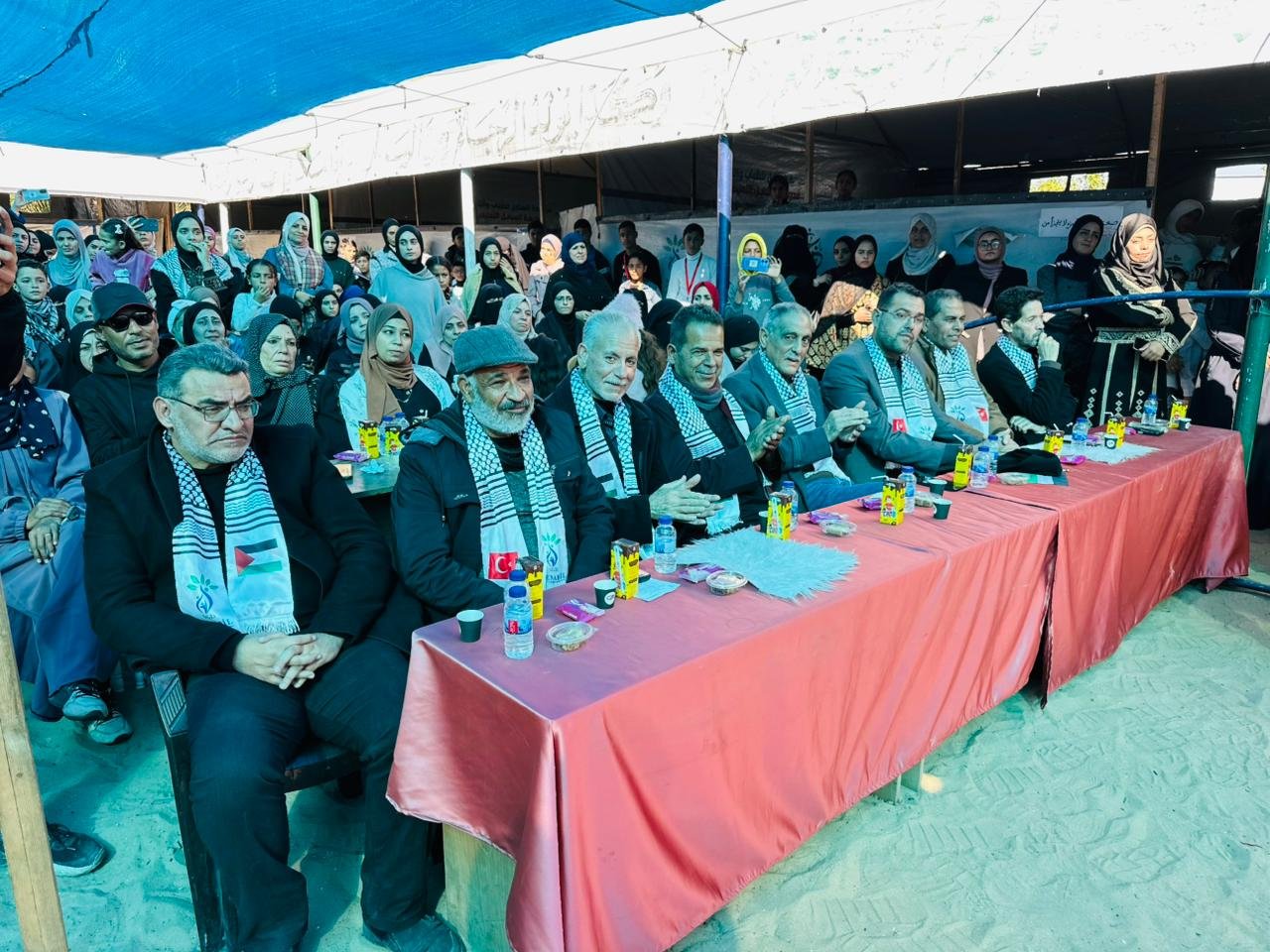
Senabil Foundation for Youth and Development honored the teachers of Senabil Schools in Khan Younis on the occasion of Palestinian Teachers’ Day (14/12), in appreciation of their dedication and vital role in sustaining the educational process despite challenging conditions. This recognition reflects the Foundation’s pride in its educational staff and its strong belief in the essential role of Palestinian teachers in building individuals and strengthening community resilience, particularly within the education sector. Senabil Foundation reaffirmed its commitment to supporting teachers and providing a motivating and safe learning environment that enhances the quality of education at Senabil Schools.
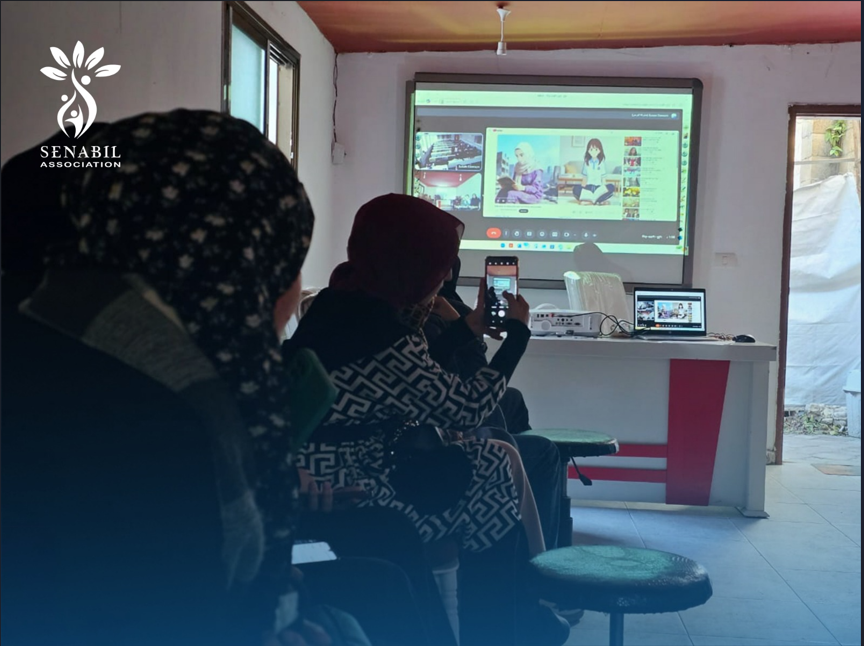
Senabil Foundation for Youth and Development announced the completion of the first phase of the “Voices Across Borders” project, implemented within the Educational Twinning Course in partnership with the University of Manchester. The project aims to strengthen academic and cultural exchange, develop participants’ skills, and improve English language proficiency through interactive educational activities based on dialogue and knowledge sharing, contributing to broader learning perspectives and international academic engagement. The Foundation confirmed that the second phase of the project is scheduled to begin in February, building on the outcomes of the first phase and further enhancing the project’s educational impact.

 Donate