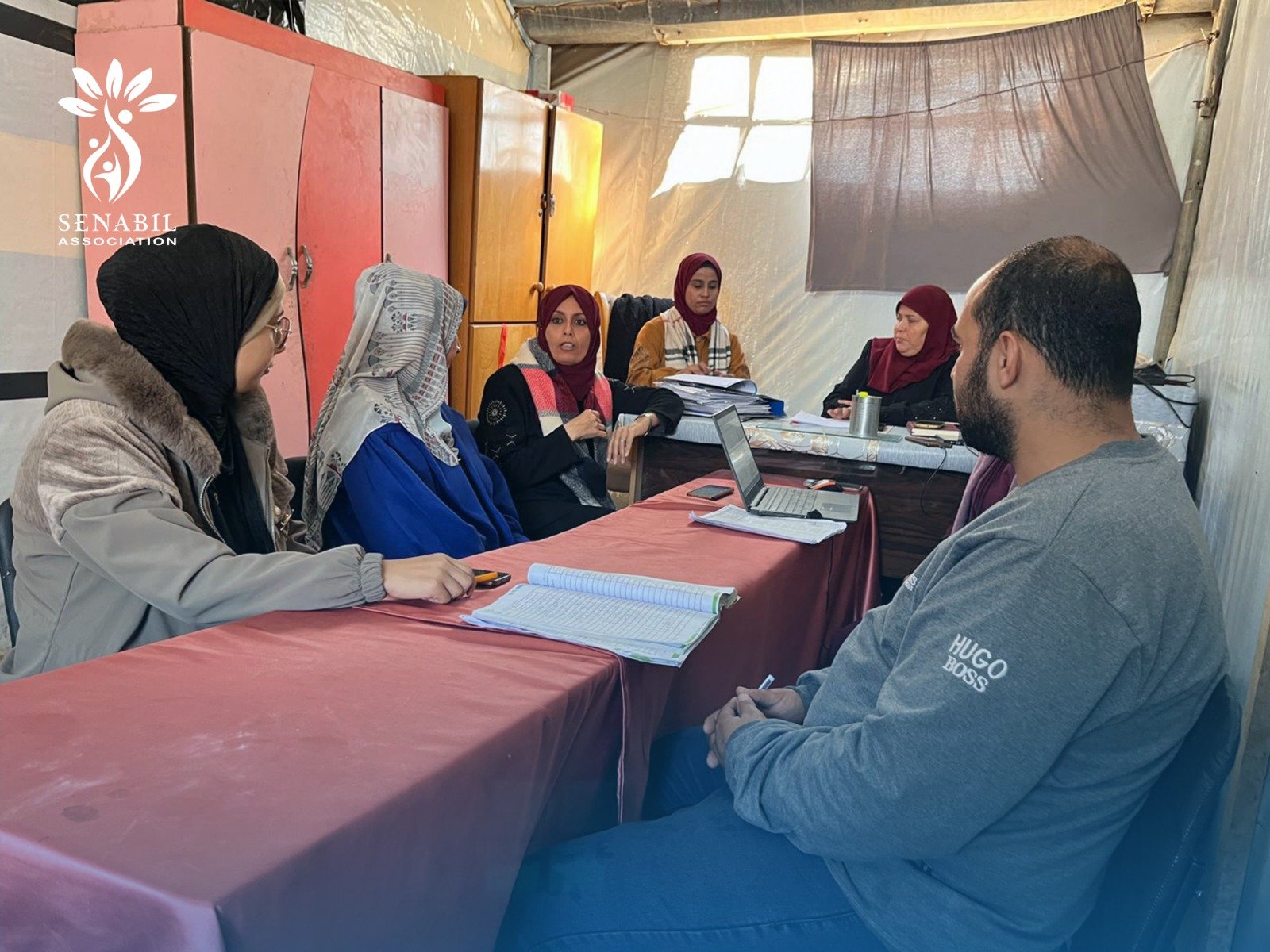
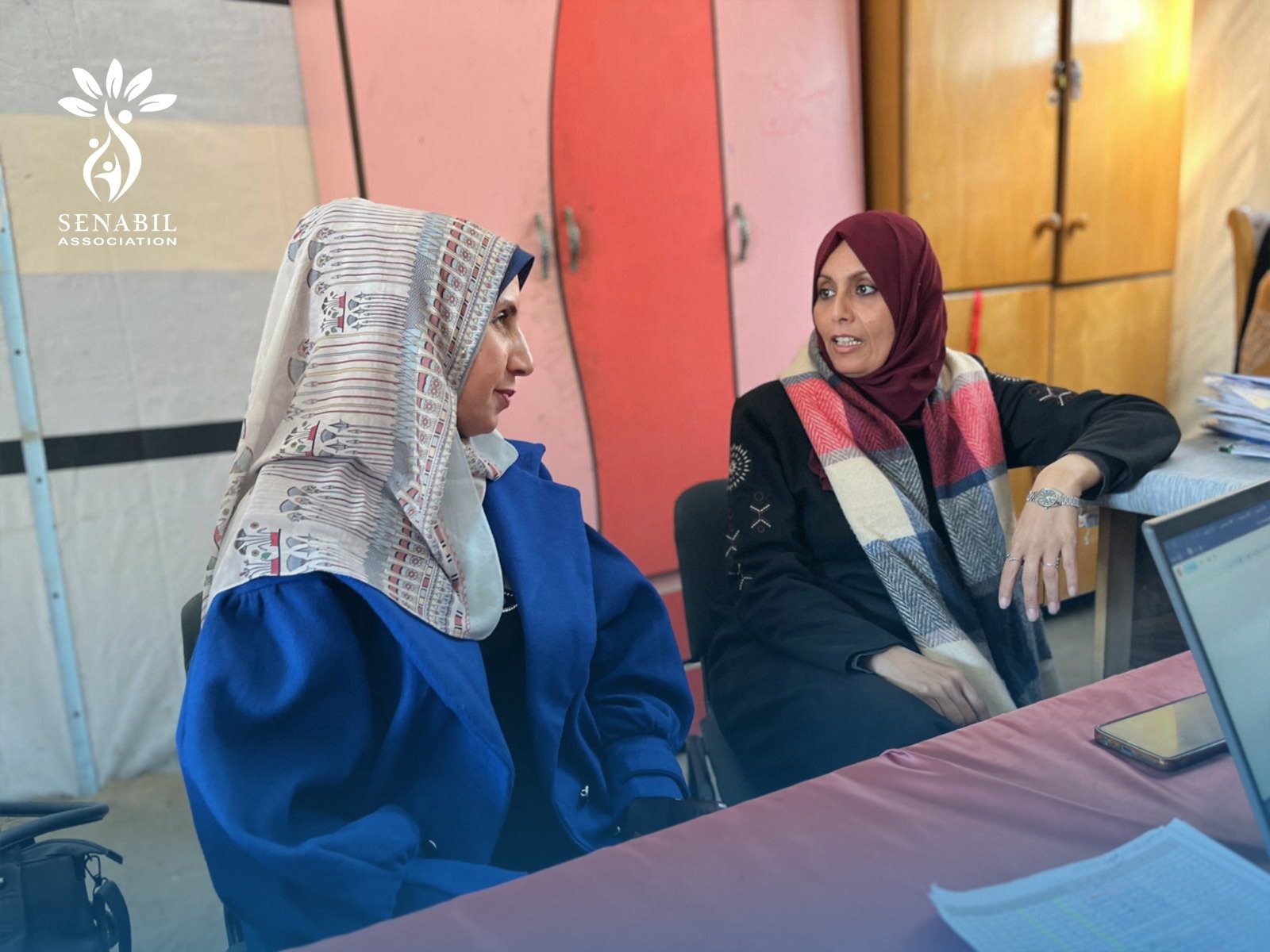
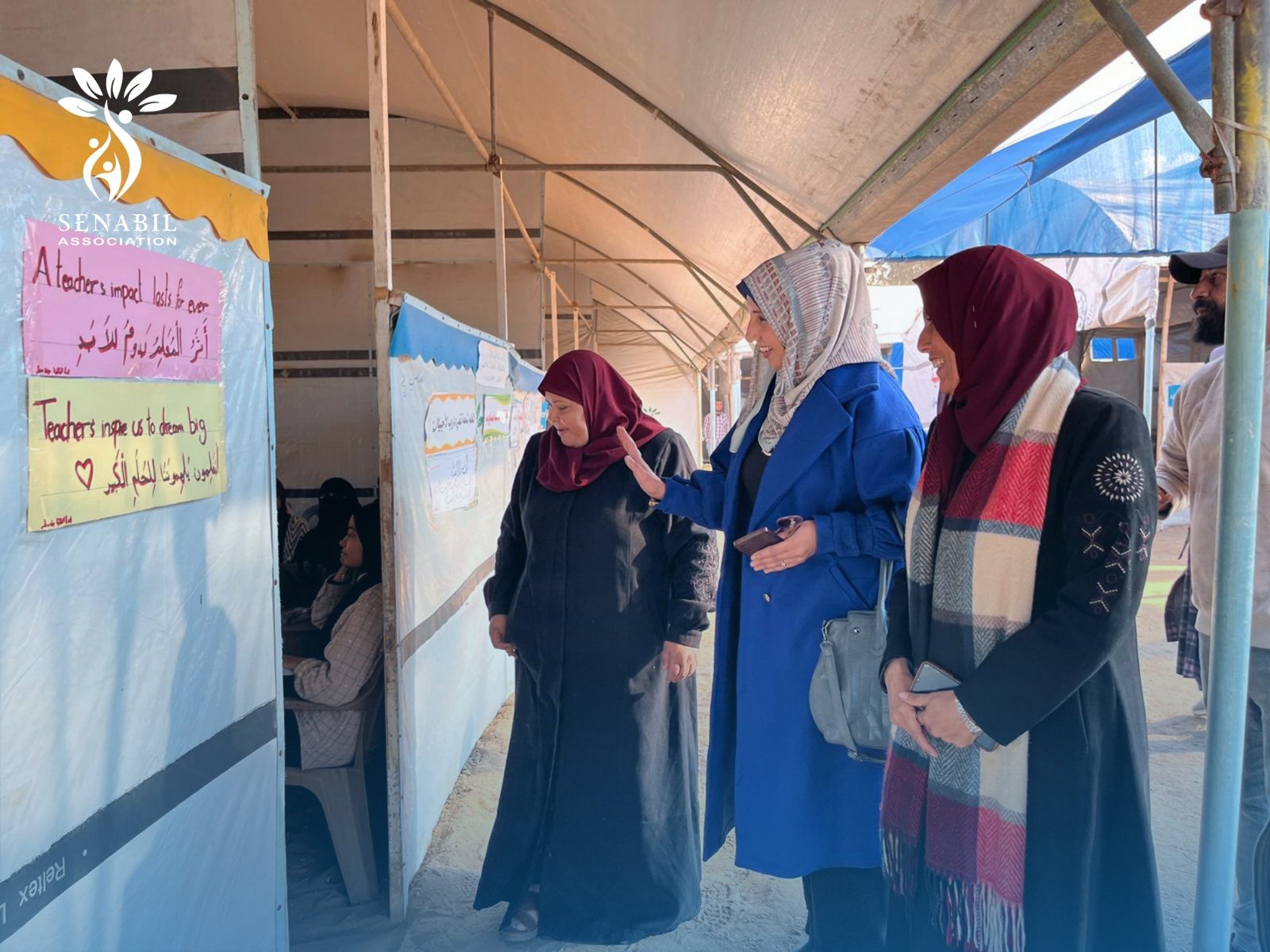
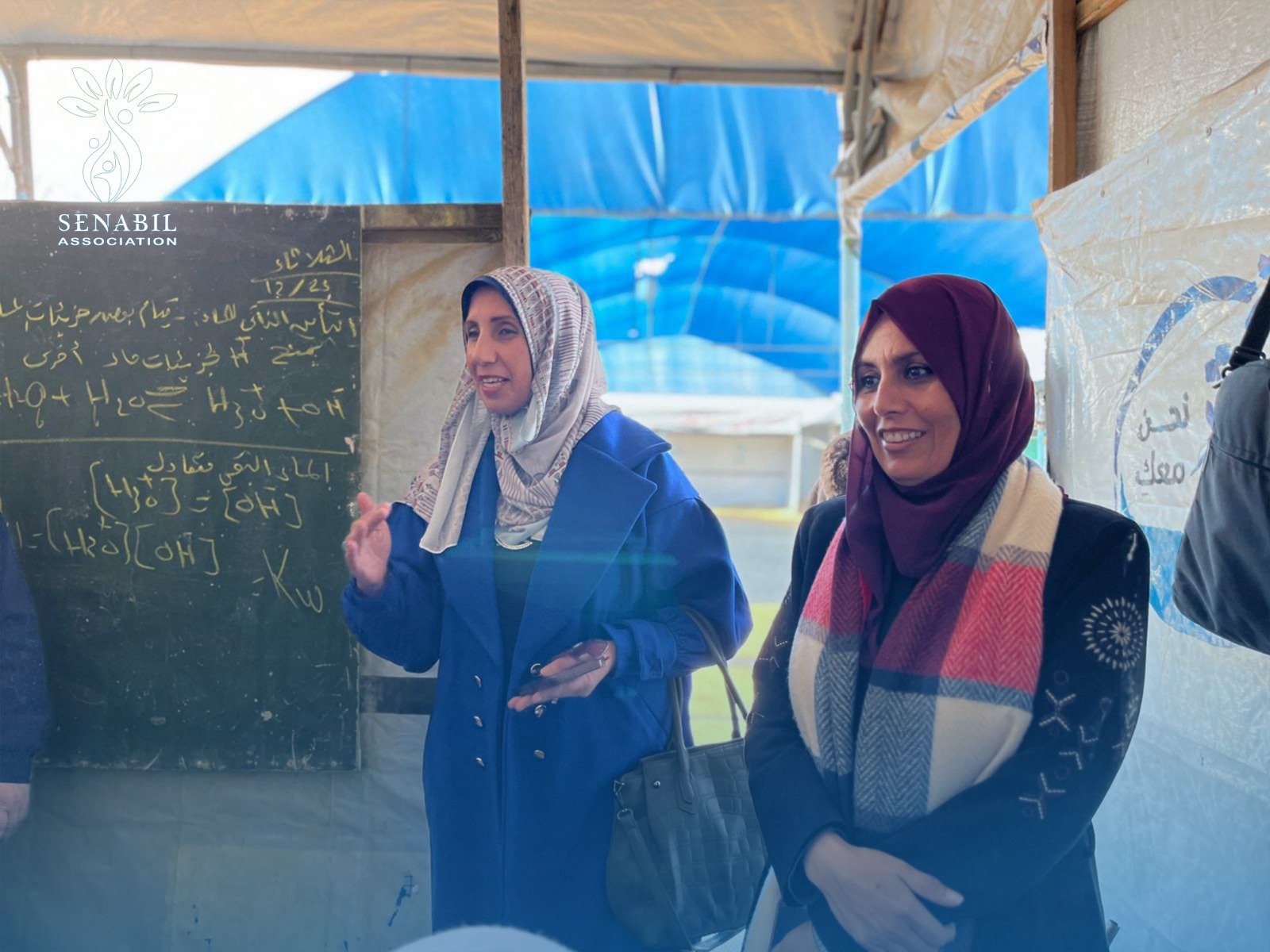
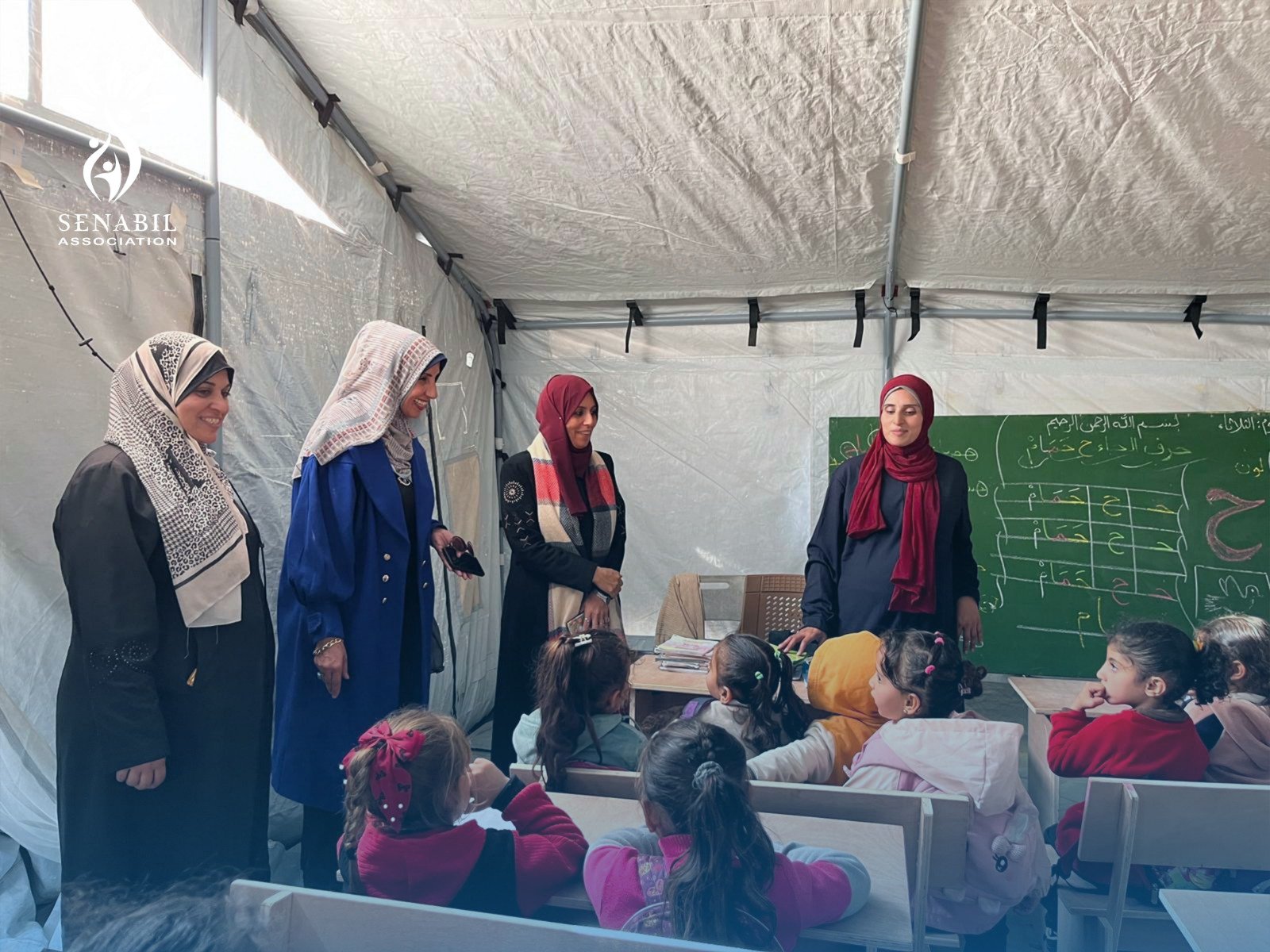
Senabil Foundation for Youth and Development received Dr. Enas Abu Shawish, Head of the Public Relations Department at Palestine University, as part of a coordination meeting aimed at enhancing joint cooperation and aligning institutional partnership efforts between both parties.
The meeting discussed mechanisms for developing joint work and organizing future areas of cooperation to support educational and community initiatives, while strengthening integration between academic institutions and civil society organizations.
Both sides emphasized the importance of continued communication and coordination to achieve shared objectives and maximize the positive impact of joint programs and projects.
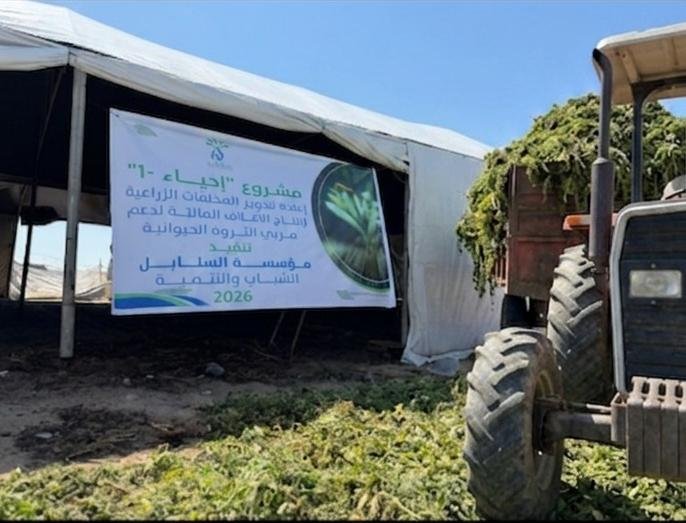
Senabil Association has launched the Integrated Economic and Agricultural Empowerment Program as one of its strategic programs aimed at moving from emergency humanitarian response toward building a sustainable economic system based on production and self-reliance. The program focuses on developing productive value chains, linking training with the labor market, and strengthening integration between agriculture, processing, and digital work. It also promotes the principles of circular economy and resource recycling. The program includes key components such as agricultural and livestock production, agricultural processing, training and capacity building, remote work, and integrated productive models. These components contribute to creating sustainable job opportunities, improving food security, and reducing dependence on aid. “Ihya’a 1”, a project for producing filler feed from agricultural waste, comes as one of the first projects under this program. It is based on converting agricultural waste into low-cost feed, contributing to supporting livestock breeders, reducing environmental waste, creating job opportunities, and strengthening food security within the local community. Through this program, Senabil Association seeks to build a resilient, scalable, and replicable economic model that strengthens the resilience of vulnerable communities and opens real opportunities for production and development.
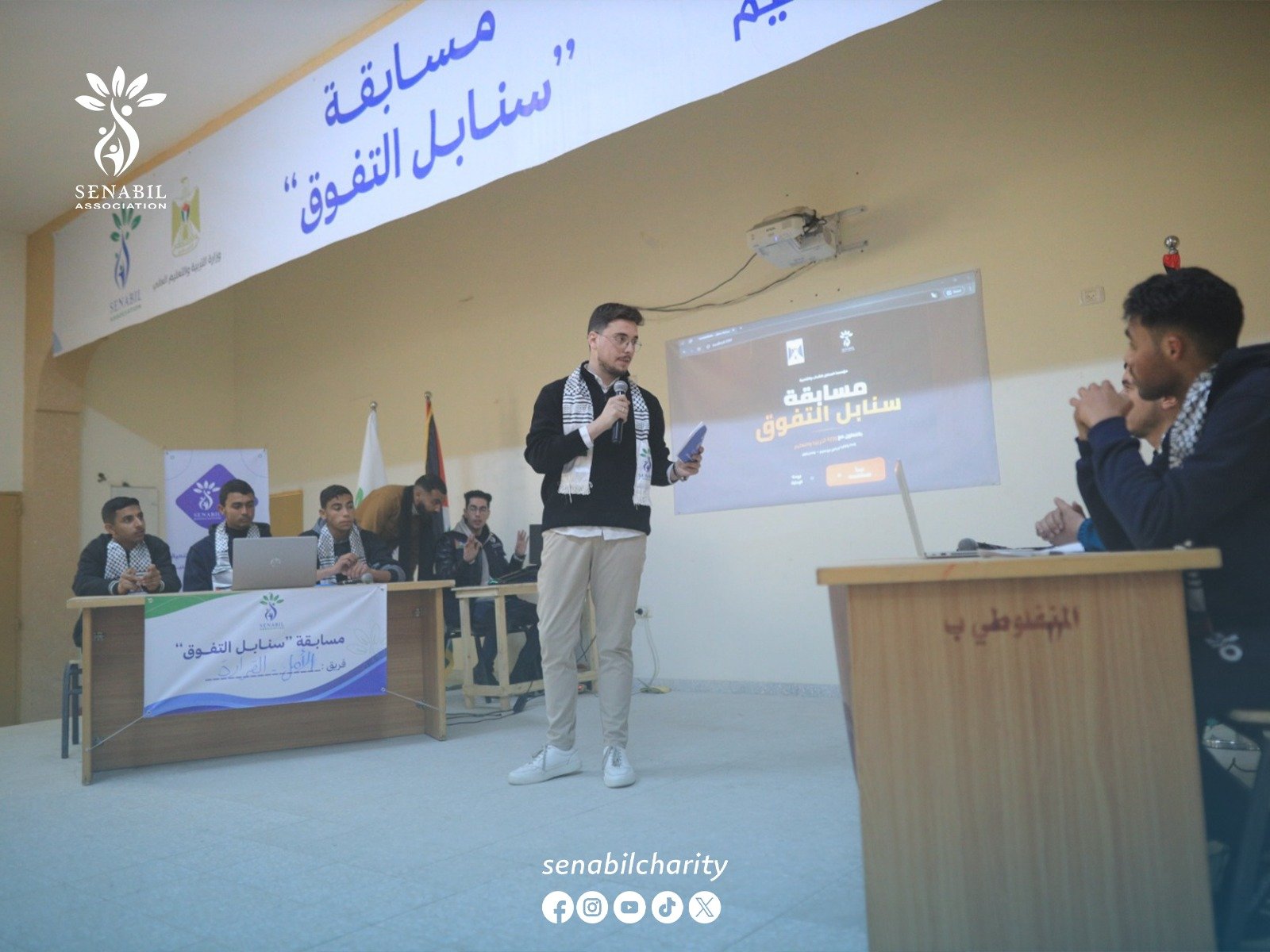
Sanabel Association concluded the “Sanabel Excellence” competition for high school students in Gaza, following two competitive phases that began with written exams and culminated in the final round. The final stage witnessed strong competition among qualified students, where winners were honored alongside participating schools in recognition of their outstanding academic performance. The first-place winning school received a cash prize of $300, while each first-place student was awarded $200. The second-place school received $200, and each second-place student received $100, as part of efforts to support and encourage academic excellence among students.
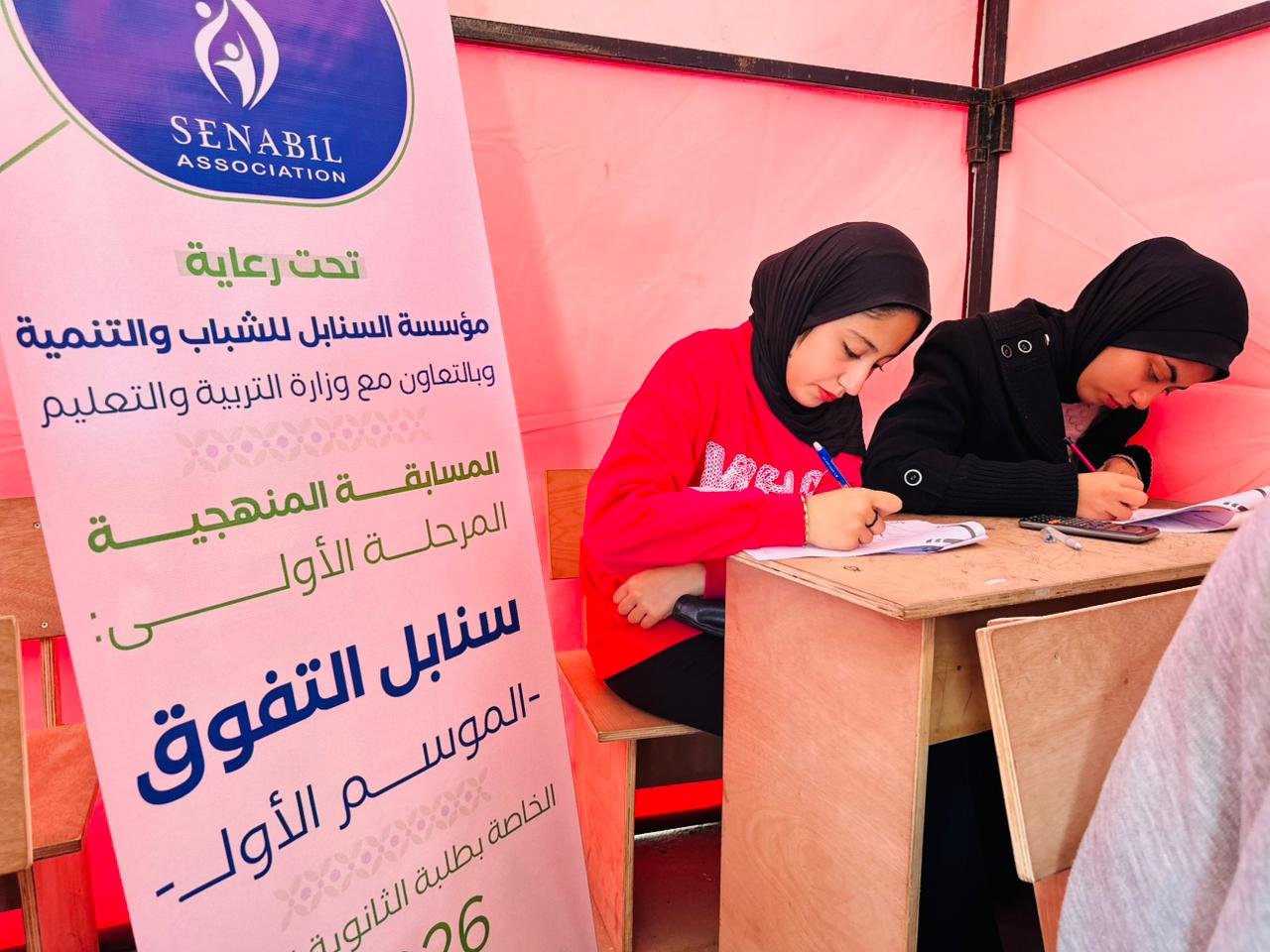
Sanabel Association launched the “Sanabel Excellence” academic competition for high school students across Gaza, with the participation of 512 students from 85 schools and educational centers. This phase served as the initial written round, aiming to assess students’ academic performance and encourage a spirit of healthy academic competition within a motivating learning environment.
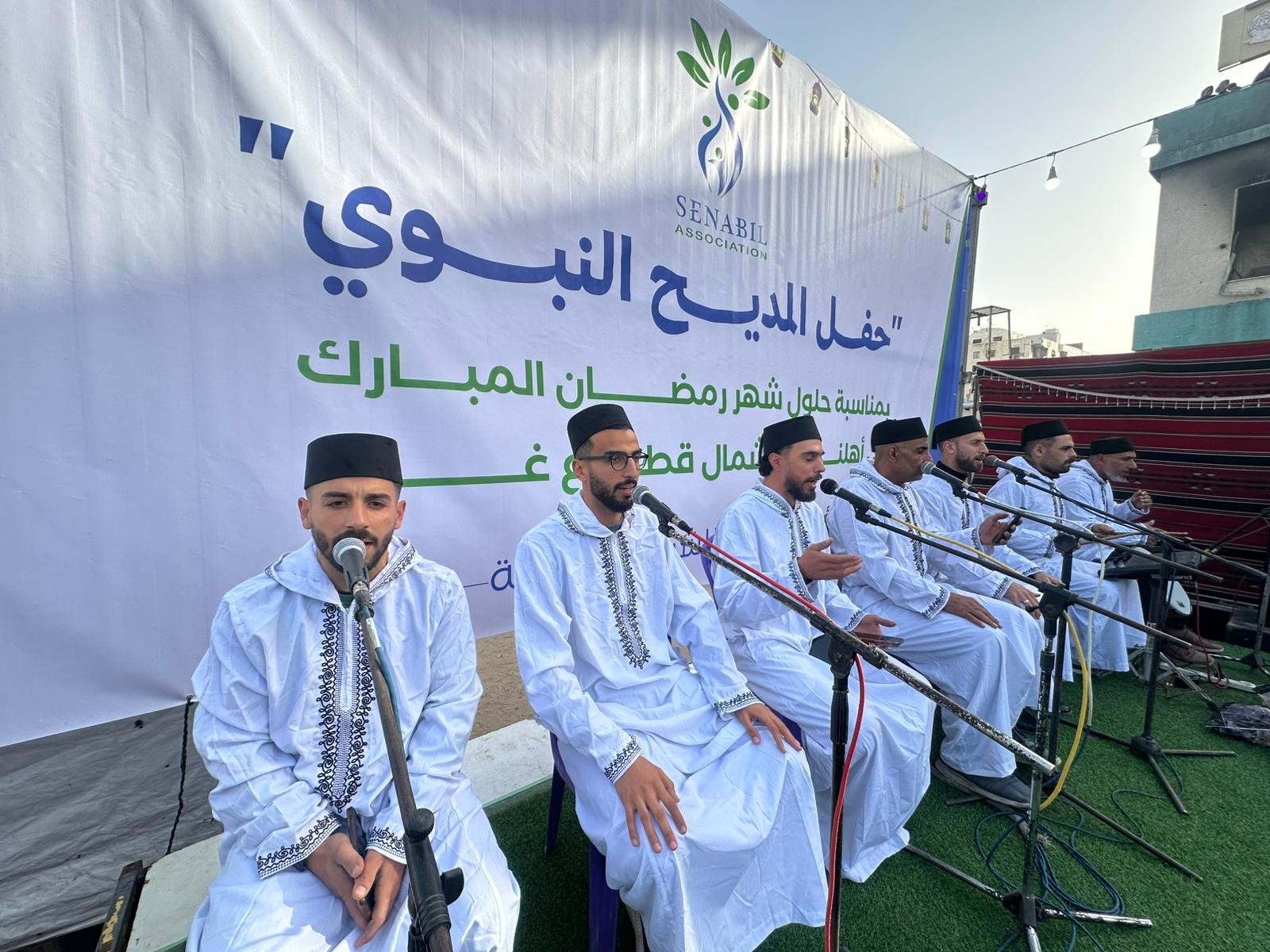
Senabel Association organized a series of nasheed and praise gatherings across northern, central, and southern Gaza in celebration of the upcoming holy month of Ramadan. The events were attended by community members and featured spiritual performances aimed at fostering faith, unity, and a sense of joy and tranquility, reflecting the association’s commitment to strengthening social cohesion and reviving meaningful religious traditions.
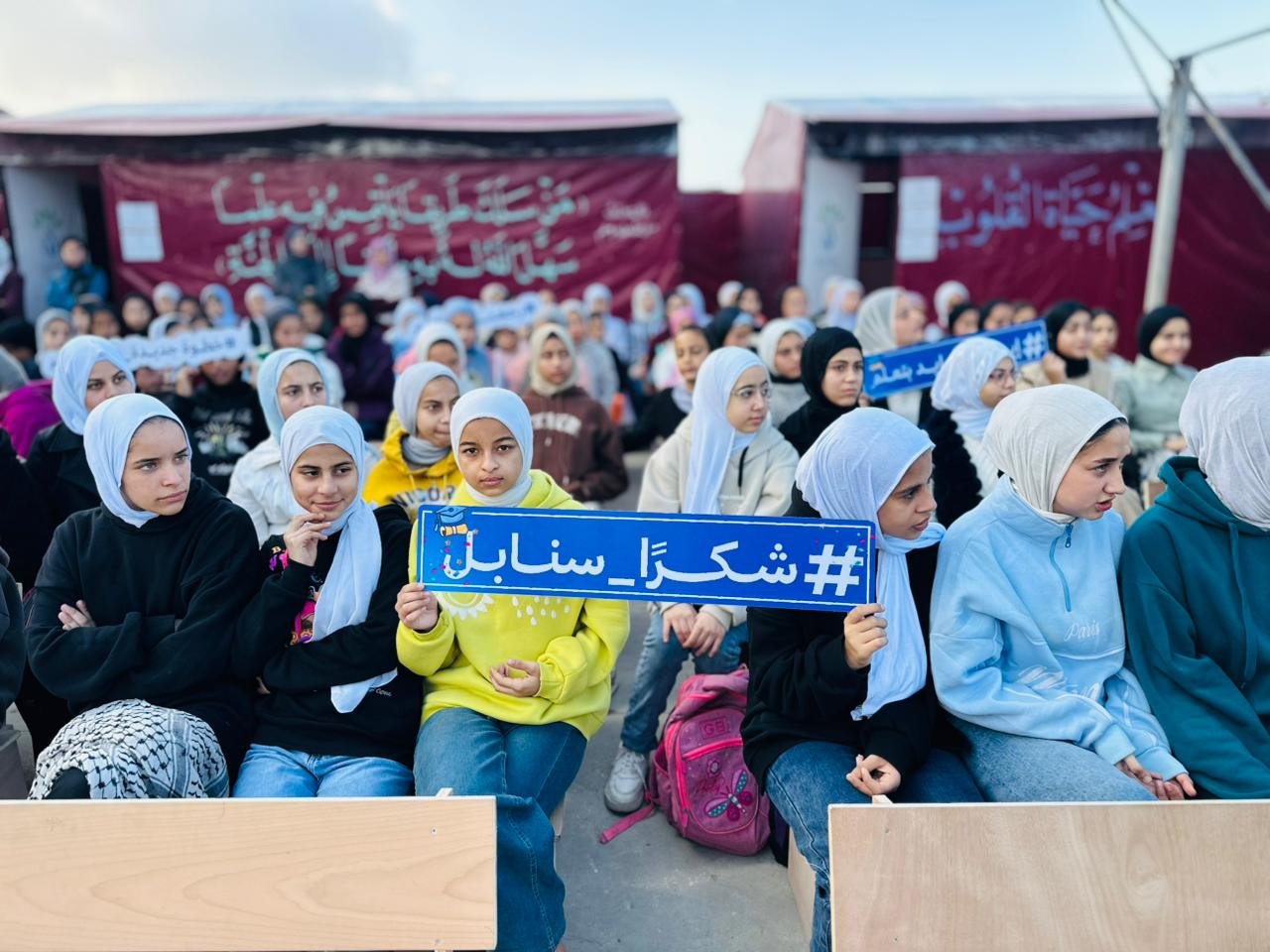
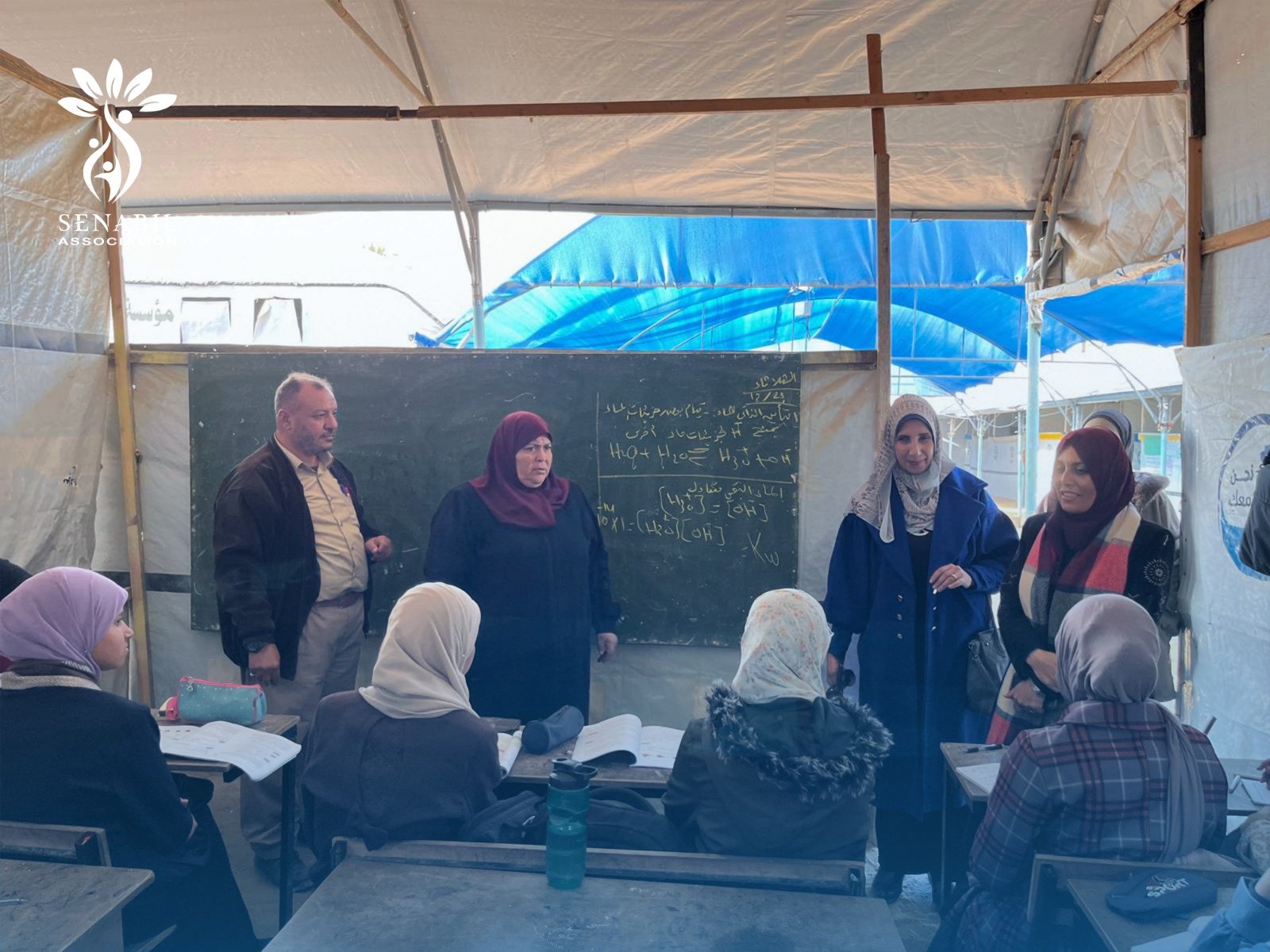
Senabil Association continues to support the education sector in the Gaza Strip by opening its fourth school in the northern region, following its success in central and southern Gaza. This expansion responds to the severe shortage of schools and the growing number of students, aiming to provide a safe and suitable learning environment that ensures continuity of education, reduces student hardship, and helps prevent dropout while improving their psychological and educational stability.
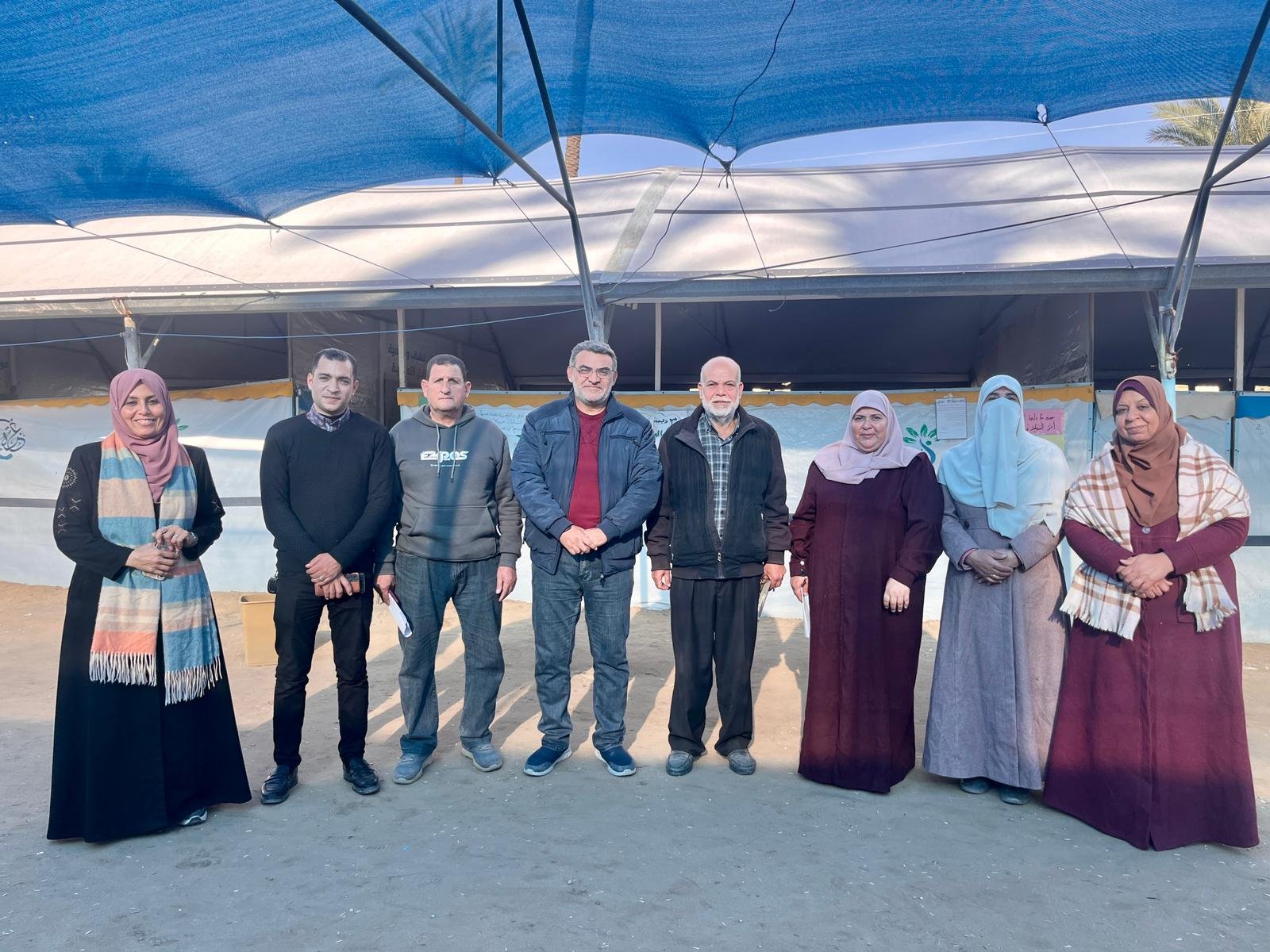
Senabil association held a meeting with the administrations of Sanabil Schools as part of its ongoing efforts to evaluate the quality of the educational process and ensure the effectiveness of its academic programs. The meeting focused on reviewing current educational practices, identifying strengths and challenges, and assessing overall performance to maintain high standards of learning. Discussions also emphasized the importance of continuous improvement to better serve students and enhance their academic experience. The organization reaffirmed its commitment to advancing education quality through structured evaluation and collaboration with school administrations, aiming to build a more effective and responsive learning environment. This initiative comes within the broader vision of strengthening educational outcomes and investing in the future of students through sustainable and impactful educational development.

 Donate